
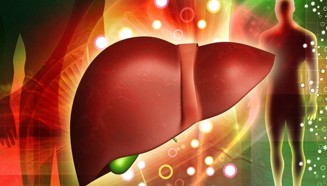
Your liver is one of the most remarkable organs in your body.
It works around the clock—processing nutrients, helping regulate blood sugar and fats, producing bile for digestion, processing medications and alcohol, storing important vitamins and minerals, and helping your body handle substances it needs to eliminate.
And here’s the amazing part: your liver doesn’t complain.
You can have changes in liver health for years without obvious symptoms.
That’s why taking care of your liver isn’t something to think about only when a blood test comes back abnormal. It’s part of a bigger picture of metabolic health, healthy aging, energy, and longevity.
So let’s talk about some simple ways to Love Your Liver!
1. Start With Your Blood Sugar
Your liver plays a central role in maintaining healthy blood glucose levels. It stores glucose as glycogen and releases it when your body needs energy.
But a diet consistently high in added sugars and refined carbohydrates can contribute to insulin resistance and increased fat accumulation in the liver.
One of the easiest places to start?
Look at what you’re drinking.
Soda, sweetened coffee drinks, energy drinks, sweet tea, and other sugary beverages can deliver a surprising amount of sugar without making you feel full.
Try replacing one sugary beverage each day with:
- Water
- Sparkling water
- Unsweetened tea
- Water with lemon or berries
Small changes add up.
2. Fill Your Plate With Plants
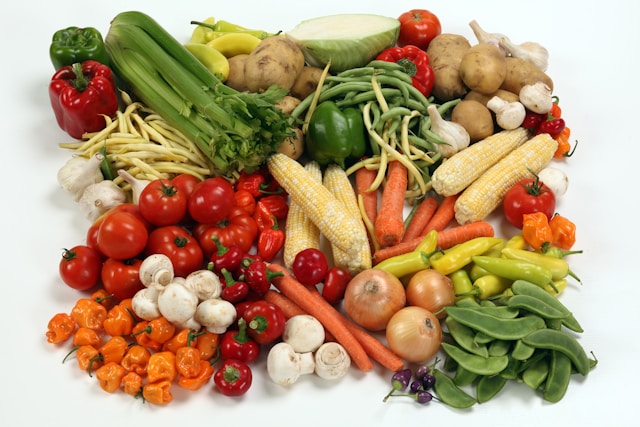
Your liver loves a colorful variety of whole foods.
Think:
🥦 Broccoli and Brussels sprouts
🥬 Leafy greens
🧄 Garlic and onions
🫐 Berries
🥑 Avocado
🥕 Colorful vegetables
🌿 Herbs and spices
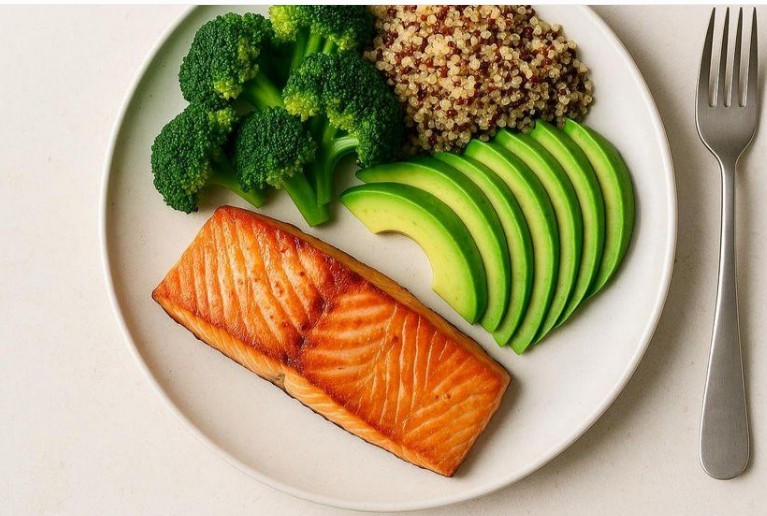
A Mediterranean-style eating pattern—rich in vegetables, fruits, whole grains, legumes, nuts, seeds, fish, and unsaturated fats—is commonly recommended as a healthy dietary pattern for metabolic liver health.
Rather than asking, “What should I eliminate?”, try asking:
“What can I add?”
Add another vegetable. Add berries. Add a handful of nuts. Add extra-virgin olive oil.
Healthy additions can naturally crowd out less nutritious choices.
3. Don’t Be Afraid of Protein
Protein is important for maintaining muscle mass, supporting tissue repair, and healthy aging.
As we get older, preserving muscle becomes increasingly important—not only for strength and mobility but also because muscle plays an important role in glucose metabolism.
Include a quality protein source at meals, such as:
- Eggs
- Fish
- Chicken or turkey
- Greek yogurt
- Beans and lentils
- Tofu or tempeh
Your exact protein needs depend on your age, activity level, health status, and individual circumstances, so personalize your approach with your healthcare professional when appropriate.
4. Move Your Body—Especially After Meals

Your liver doesn’t need you to become a marathon runner.
It needs you to move.
Walking, resistance training, cycling, swimming, and other forms of regular physical activity can support metabolic health and help reduce liver fat. Both aerobic and resistance exercise are recommended as part of lifestyle management for metabolic dysfunction-associated steatotic liver disease (MASLD).
One of my favorite simple strategies?
Take a walk after lunch.
Even a short walk gets you out of your chair, breaks up prolonged sitting, and gives your body an opportunity to use some of the glucose circulating after your meal.
Think of it as a meeting with your metabolism.
5. Pay Attention to Your Waistline
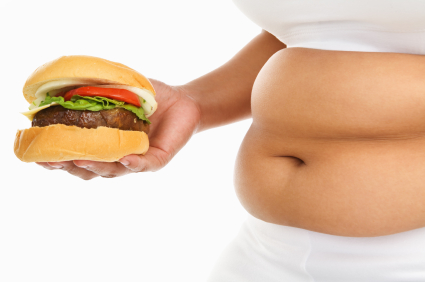
Excess visceral fat—the fat stored around your abdominal organs—is closely connected with insulin resistance and metabolic health.
For people with MASLD, even modest weight loss can make a meaningful difference. A 5–10% reduction in body weight is associated with improvements in liver fat, inflammation, and fibrosis.
This doesn’t mean crash dieting.
In fact, extreme approaches are rarely sustainable.
Instead, focus on the fundamentals:
Protein + plants + movement + sleep + consistency.
Your liver doesn’t need perfection.
It needs support.
6. Be Mindful About Alcohol

Your liver processes alcohol, and excessive alcohol use can contribute to liver disease.
The CDC notes that drinking less is better for health than drinking more, and people who don’t drink are not advised to start drinking for health benefits.
If you choose to drink, know what a standard drink actually means:
- 5 ounces of wine
- 12 ounces of regular beer
- 5 ounces of distilled spirits
And remember that some people should avoid alcohol completely, including people with certain liver conditions or medications that interact with alcohol.
If you’re concerned about your liver health, talk with your healthcare provider about whether alcohol is appropriate for you.
7. Don’t Fall for “Detox” Hype
Here’s something important:
Your liver is already a detoxification organ.
You don’t need an expensive juice cleanse to make it work.
Your best strategy is to support the systems that help your liver do its job:
- Eat nutrient-dense foods
- Drink adequate fluids
- Get regular physical activity
- Sleep well
- Maintain a healthy weight
- Limit excessive alcohol
- Avoid unnecessary exposure to harmful substances
- Take medications exactly as directed
And be cautious with supplements marketed as “liver detoxes.” Natural doesn’t automatically mean safe, and some supplements can interact with medications or cause liver injury.
When it comes to supplements, more isn’t necessarily better.
8. Know Your Numbers
One of the best ways to become proactive about your liver health is to understand your health data.
Depending on your individual health history, your healthcare provider may evaluate markers such as:
- ALT
- AST
- GGT
- Triglycerides
- Glucose
- HbA1c
- Cholesterol
Remember, no single laboratory value tells the entire story.
Get my FREE EBook “Lab Tests You Must Know About” HERE
Your liver health needs to be considered alongside your metabolic health, medications, alcohol intake, weight, medical history, and other relevant factors.
If your liver enzymes are elevated—or you’re concerned about fatty liver—talk with your healthcare provider rather than trying to diagnose yourself.
Your Liver-Loving Daily Checklist
Want to give your liver a little love this week?
Try these seven simple habits:
☐ Drink more water
☐ Replace sugary drinks
☐ Eat more vegetables
☐ Include protein with meals
☐ Take a walk after lunch
☐ Prioritize quality sleep
☐ Limit alcohol
You don’t have to do everything perfectly.
Pick one habit and start there.
Then build from it.
❤️ Your Liver Works Hard for You
Your liver is quietly supporting your health every single day.
It doesn’t ask for much in return.
Give it nutritious food.
Give it movement.
Give it adequate sleep.
Give it less excess sugar and alcohol.
Give it a chance to do what it was designed to do.
Because when it comes to health and longevity, the small things you do consistently often matter more than the occasional big health kick.
OTHER BLOGS YOU WILL LIKE
The Longevity Lab Panel: 100+ Biomarkers for Optimal Aging
Sluggish Metabolism? Try These 5 Simple Steps
NOTE : This article is for educational purposes only and is not intended to diagnose, treat, or prevent disease. If you have concerns about your liver, abnormal laboratory results, or possible fatty liver disease, consult your healthcare professional.