
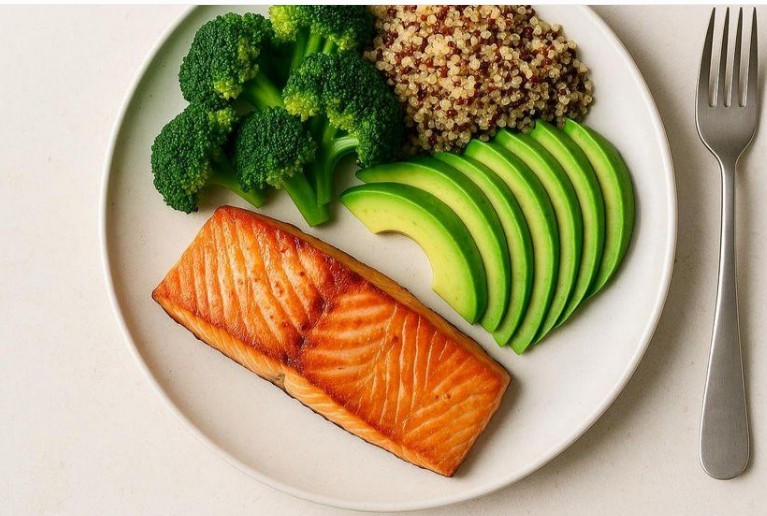
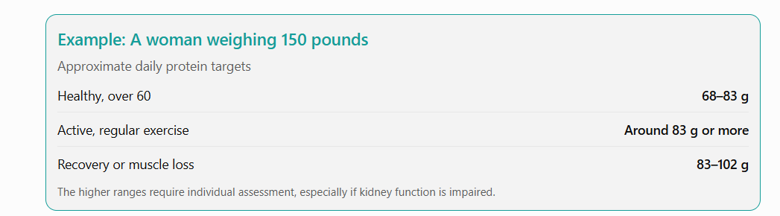
For women over 60, particularly those who are physically active, a reasonable protein target is generally 0.45–0.55 grams per pound of body weight per day.
Women who are
- losing weight,
- recovering from illness or
- experiencing muscle loss
may need more, provided they have no medical reason to restrict protein.
Protein Needs Are Not the Same for Every Woman
Six important points to consider when assessing is that protein needs Age,
- activity level
- muscle mass
- kidney function
- overall health
Guidelines for Recommended daily protein intake
| Health and activity status | Protein per pound daily |
|---|---|
| Minimum adult RDA | 0.36 g |
| Healthy women over 60 | 0.45–0.55 g |
| Active women doing regular exercise | 0.55 g or more may be appropriate |
| Muscle loss, frailty or recovery from illness | 0.55–0.68 g may be appropriate |
| Chronic kidney disease | Individualized; often around 0.36 g for stages 3–5 |
The higher ranges require individual assessment, especially if kidney function is impaired.
What health conditions change protein requirements?
| Health condition | How it affects protein needs |
|---|---|
| Muscle loss (sarcopenia) | Higher protein intake, often 0.55–0.68 g/lb, may help support muscle maintenance, especially with resistance training. |
| Frailty or malnutrition | Protein needs may increase to help prevent further muscle loss and support nutritional recovery. |
| Weight loss or GLP-1 medication use | Adequate protein is especially important to help preserve muscle during weight loss. Individual needs depend on body composition, calorie intake and kidney function. |
| Acute illness, surgery or injury | Protein requirements may increase to support tissue repair and recovery. |
| Chronic kidney disease (CKD) | Protein may need to be limited, particularly in stages 3–5 without dialysis. A renal dietitian or physician should determine the target. |
| Dialysis | Protein requirements are often higher because protein is lost during treatment. A common target is 0.45–0.55 g/lb daily. |
| Obesity | Calculating protein from actual body weight can overestimate needs. A clinician or dietitian may use ideal or adjusted body weight. |
These recommendations are based on clinical nutrition guidance and should be individualized.

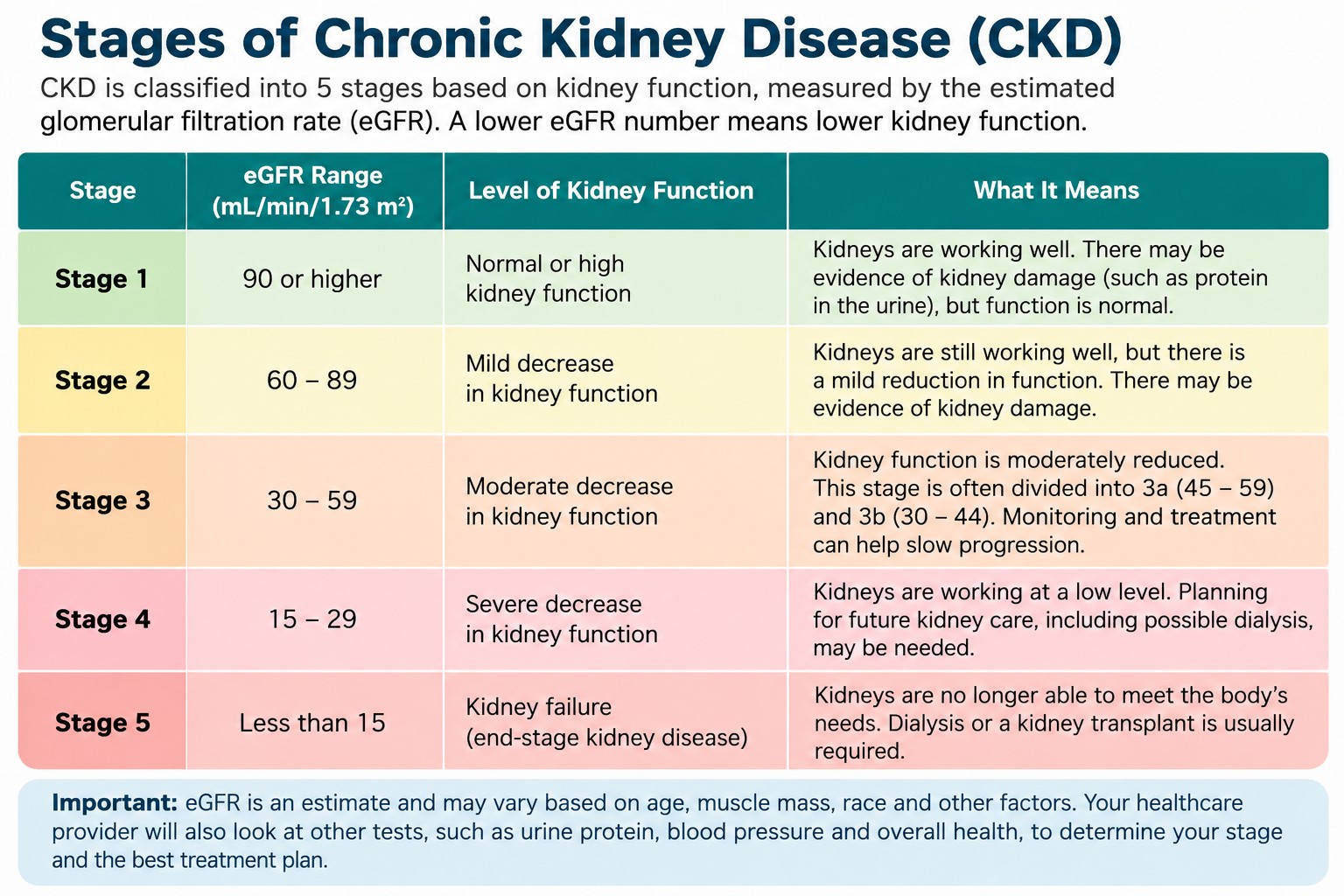
Kidney function is one of the most important factors to consider before recommending a high-protein diet.
Protein requirements vary depending on the stage of kidney disease.
Women with normal kidney function or early-stage kidney disease (Stages 1–2) can generally consume adequate protein to maintain muscle, while those with moderate to advanced kidney disease (Stages 3–5) may need to limit protein intake to reduce the kidneys’ workload.
However, women on dialysis typically require more protein because treatment can cause protein losses.
Protein recommendations should always be individualized based on kidney function, nutritional status, age and activity level, ideally with guidance from a healthcare professional or renal dietitian.
Important clarification: Current KDIGO guidelines recommend approximately 0.36 grams of protein per pound daily for adults with Stages 3–5 CKD who are not on dialysis. However, older adults with frailty or muscle loss may need higher targets to prevent malnutrition. Protein restriction should therefore be individualized rather than based on kidney stage alone.
For women with moderate to advanced chronic kidney disease who are not on dialysis, the 2024 KDIGO guidelines generally recommend approximately 0.36 g of protein per pound daily. Higher intakes may increase the burden on the kidneys in some patients.
However, older women with CKD who also have frailty or significant muscle loss require careful individual assessment. Restricting protein too much can worsen malnutrition and muscle loss.
Women on dialysis generally need more protein, not less.
Other factors to consider

Resistance training: Protein works together with strength training to stimulate muscle protein synthesis. Increasing protein alone may not prevent age-related muscle loss.
Calorie restriction: Women eating fewer calories to lose weight need to pay particular attention to protein intake.
Appetite and digestion: Poor appetite, dental problems and digestive difficulties can make it challenging to meet daily protein requirements.
Liver disease: Protein is not routinely restricted in chronic liver disease. Women with cirrhosis or malnutrition may actually need increased protein, under medical supervision.
Diabetes: Diabetes alone does not necessarily require a higher protein intake. However, diabetic kidney disease can change protein recommendations.
My recommendation for women over 60
For generally healthy, active women over 60, I would use 0.45–0.55 grams of protein per pound of body weight daily as a practical starting range, while considering individual circumstances.
For women who play pickleball regularly, I would also emphasize resistance training, adequate calories and spreading protein intake across three meals.
For anyone with kidney disease, significant liver disease, frailty or a recent illness, protein goals should be individualized with their healthcare professional.
Key takeaway
As we age, maintaining muscle becomes increasingly important. Adequate protein, combined with regular strength training, can help support muscle strength, mobility and independence. However, the right amount of protein depends on your health, activity level and kidney function.
Useful clinical references
PROT-AGE Study Group: Protein recommendations for older adults https://pubmed.ncbi.nlm.nih.gov/23867520/
ESPEN Expert Group: Protein intake and exercise for optimal muscle function with aging