

Have you noticed that it’s getting harder to maintain your weight, your energy isn’t what it used to be, and your body seems less responsive to the healthy habits that once worked?
You’re not alone.
Many people assume a slowing metabolism is simply part of aging.
While metabolism can naturally change over time, there are several lifestyle factors that have a much bigger impact than your birth date.
The good news?
There are practical steps you can take to help support a healthy metabolism at any age.
What Is Metabolism?
Your metabolism is the process by which your body converts food into energy.
It powers everything from breathing and digestion to muscle movement and brain function. When metabolism slows, you may experience symptoms such as:
Unexplained weight gain
⦁ Low energy
⦁ Increased cravings
⦁ Difficulty losing weight
⦁ Feeling cold frequently
⦁ Brain fog
If you’re feeling sluggish, here are five strategies that can help.
1. Build and Maintain Muscle

Muscle tissue burns more calories than fat tissue, even while you’re resting.
Unfortunately, many adults begin losing muscle mass as they age, especially if they are inactive.
Adding strength training two to three times per week can help preserve lean muscle, improve insulin sensitivity, and support a healthy metabolic rate.
Simple options include:
⦁ Resistance bands
⦁ Bodyweight exercises
⦁ Weight machines
⦁ Free weights
Remember, strong is the new healthy.
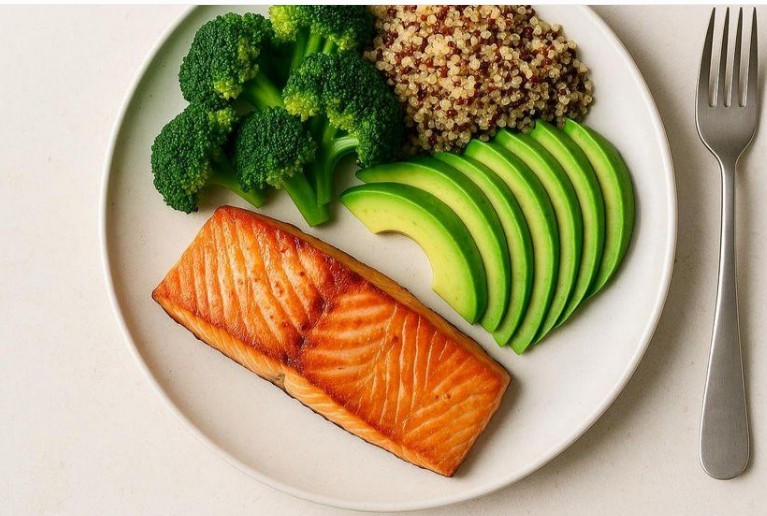
2. Prioritize Protein at Every Meal
Protein requires more energy to digest than fats or carbohydrates, a phenomenon known as the “thermic effect of food.”

Protein also helps:
⦁ Preserve muscle mass
⦁ Increase satiety
⦁ Reduce cravings
⦁ Support blood sugar balance
Aim to include a quality protein source at each meal, such as:
⦁ Fish
⦁ Eggs
⦁ Chicken
⦁ Greek yogurt
⦁ Cottage cheese
⦁ Beans and legumes
3. Improve Gut Health
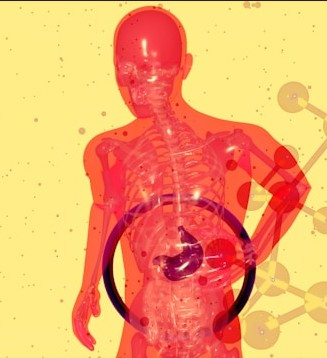
Your gut health may play a larger role in metabolism than you realize.
Research continues to show that the balance of bacteria in the digestive tract influences inflammation, blood sugar regulation, appetite, and weight management.
My 4 Week DIgestive Detox Progrma is called Revitalize & Renew Program
It is a 4 module online program in the form of easy-to-access videos, downloadable handouts (including shopping lists, menus and recipes) and access to our online community where you can connect with other people from around the world who are going through the same process you are.
Ways to support your gut:
⦁ Eat more fiber-rich vegetables
⦁ Include fermented foods
⦁ Stay hydrated
⦁ Reduce ultra-processed foods
⦁ Address digestive symptoms such as bloating, constipation, or reflux
A healthy gut creates a stronger foundation for a healthy metabolism.
4. Get Better Sleep

Poor sleep can disrupt hormones that regulate hunger, cravings, blood sugar, and fat storage.
Just a few nights of inadequate sleep may increase appetite and reduce energy expenditure.To improve sleep quality:
⦁ Maintain a consistent sleep schedule
⦁ Reduce screen time before bed
⦁ Keep your bedroom cool and dark
⦁ Limit caffeine later in the day
Aim for seven to nine hours of quality sleep each night whenever possible.
5. Manage Stress Levels

Chronic stress keeps the body in a constant state of “fight or flight.”
Elevated stress hormones can contribute to increased belly fat, cravings, poor sleep, and metabolic dysfunction.
Helpful stress-management practices include:
⦁ Daily walks
⦁ Deep breathing
⦁ Prayer or meditation
⦁ Time in nature
⦁ Gentle stretching
⦁ Connecting with supportive friends and family
Small daily stress-reduction habits can make a significant difference over time.
The Bottom Line
A sluggish metabolism is not always a sign of aging.
Factors such as muscle mass, gut health, sleep quality, stress levels, and nutrition often play a much larger role.
The best part?
These are areas you can influence.
By making a few consistent lifestyle changes, you can support your body’s natural ability to produce energy, maintain a healthy weight, and feel your best.
Ready to Boost Your Metabolism Naturally?
If you’re struggling with low energy, stubborn weight gain, digestive issues, or hormonal changes, let’s talk.
Together we can identify the underlying factors affecting your metabolism and create a personalized wellness plan to help you achieve lasting results.
Schedule a Discovery Call HERE and take the first step toward better energy, better digestion, and a healthier metabolism.