
Fatty liver disease is no longer just a problem associated with alcohol.
In fact, one of the most common forms of liver disease today is closely connected to our metabolism, blood sugar, weight, nutrition, and lifestyle.
You may have heard the term “fatty liver,” “NAFLD,” or “NASH.” The terminology has recently changed to better reflect what is actually happening in the body.
Today, what was previously called nonalcoholic fatty liver disease (NAFLD) is generally called metabolic dysfunction-associated steatotic liver disease (MASLD).
And it is surprisingly common.
How Common Is Fatty Liver?
Very common.
Recent U.S. data estimate that approximately 32% of American adults have MASLD—roughly 1 in 3 adults.
Globally, estimates suggest that MASLD affects approximately 30% of adults, making it one of the most common chronic liver diseases worldwide.
And here’s something important:
Many people don’t know they have it.
MASLD is often described as a “silent” condition because it may cause few or no symptoms. Some people experience fatigue or vague discomfort in the upper-right abdomen, but many feel perfectly well while fat and, in some cases, inflammation or scarring are developing in the liver.
That is why metabolic and liver health deserve attention before symptoms appear.
What Exactly Is It?
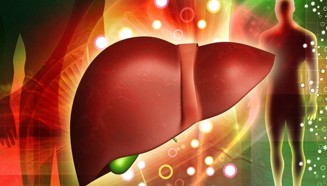
Your liver naturally contains a small amount of fat.
The problem occurs when excess fat accumulates in the liver in association with metabolic risk factors.
Under the new definition, MASLD is diagnosed when there is evidence of liver fat plus at least one cardiometabolic risk factor, such as:
- Overweight or obesity
- Prediabetes or type 2 diabetes
- High blood pressure
- Elevated triglycerides or other abnormal blood lipids
- Low HDL cholesterol
MASLD exists on a spectrum.
For some people, there is simply excess fat in the liver.
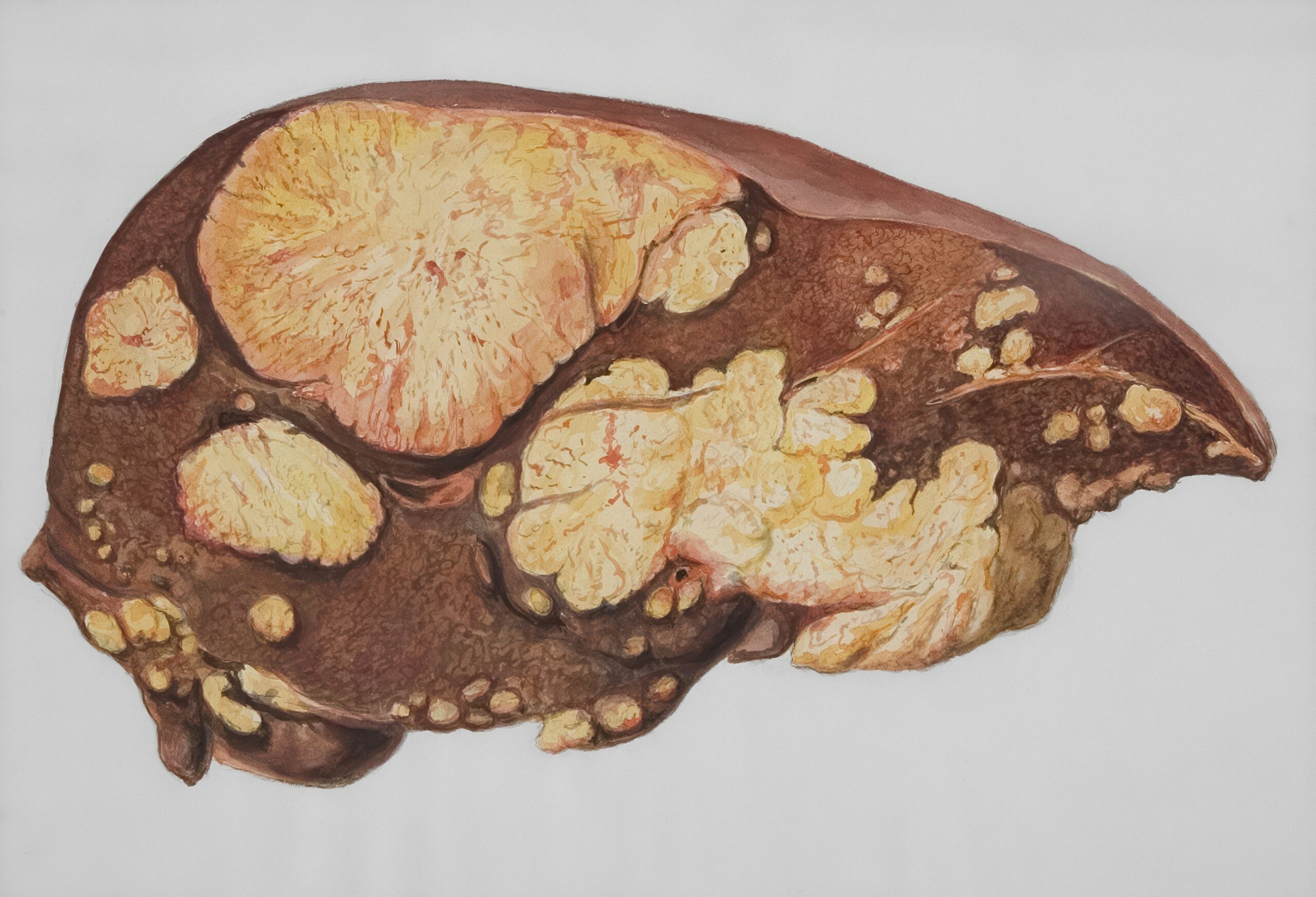
For others, the liver develops inflammation and injury. This more progressive form is now called metabolic dysfunction-associated steatohepatitis (MASH).
Over time, MASH can contribute to fibrosis (scarring), cirrhosis, liver failure, and liver cancer.
The good news?
Lifestyle changes can make a tremendous difference—especially when addressed early.
What Causes Fatty Liver?
MASLD isn’t caused by one single food or one single lifestyle habit.
It is usually the result of several interconnected factors affecting metabolism.
1. Insulin Resistance
One of the biggest drivers is insulin resistance.
When your cells become less responsive to insulin, your body has a harder time regulating blood glucose and fat metabolism.
The liver may receive an excess supply of fatty acids and glucose and begin storing more fat.
This is one reason MASLD is strongly associated with prediabetes, type 2 diabetes, abdominal obesity, and metabolic syndrome.
Your liver is not separate from your metabolism.
It is at the center of it.
2. Excess Abdominal Fat

Where you store fat matters.
Visceral fat—the fat stored around your abdominal organs—is metabolically active and can contribute to inflammation and insulin resistance.
This is why waist circumference and metabolic health can sometimes tell us more than the number on the scale alone.
And MASLD isn’t exclusively a disease of people with obesity. “Lean MASLD” can occur as well, so a normal body weight does not completely eliminate risk.
3. Too Much Added Sugar and Refined Carbohydrate

A diet high in:
- Sugary beverages
- Sweets and desserts
- Refined carbohydrates
- Highly processed foods
- Excess calories
can contribute to metabolic dysfunction.
Fructose deserves particular attention because high intakes—especially from sugar-sweetened beverages—have been associated with fatty liver risk.
This doesn’t mean you need to fear fruit.
Whole fruit is very different from drinking large amounts of sugar-sweetened beverages or fruit juice.
Think whole foods first.
4. Excess Alcohol

Alcohol can independently contribute to liver injury and fat accumulation.
This is where the new terminology is particularly helpful.
MASLD is not the new name for alcoholic fatty liver disease.
Alcohol-associated liver disease remains a separate category.
For people who have metabolic dysfunction as well as higher levels of alcohol intake, the newer classification includes MetALD—metabolic dysfunction-associated steatotic liver disease with increased alcohol intake.
If you already have liver disease, discuss alcohol intake with your healthcare professional. In many situations, reducing or eliminating alcohol is an important part of protecting the liver.
5. Poor Sleep and Sedentary Lifestyle
Your liver is affected by your entire metabolic environment.
Too little physical activity, chronic sleep disruption, and difficulty maintaining a healthy weight can all contribute to metabolic dysfunction.
The goal isn’t simply to “burn calories.”
The goal is to improve metabolic flexibility, insulin sensitivity, muscle health, and overall cardiometabolic health.
6. Gut and Liver Health Are Connected
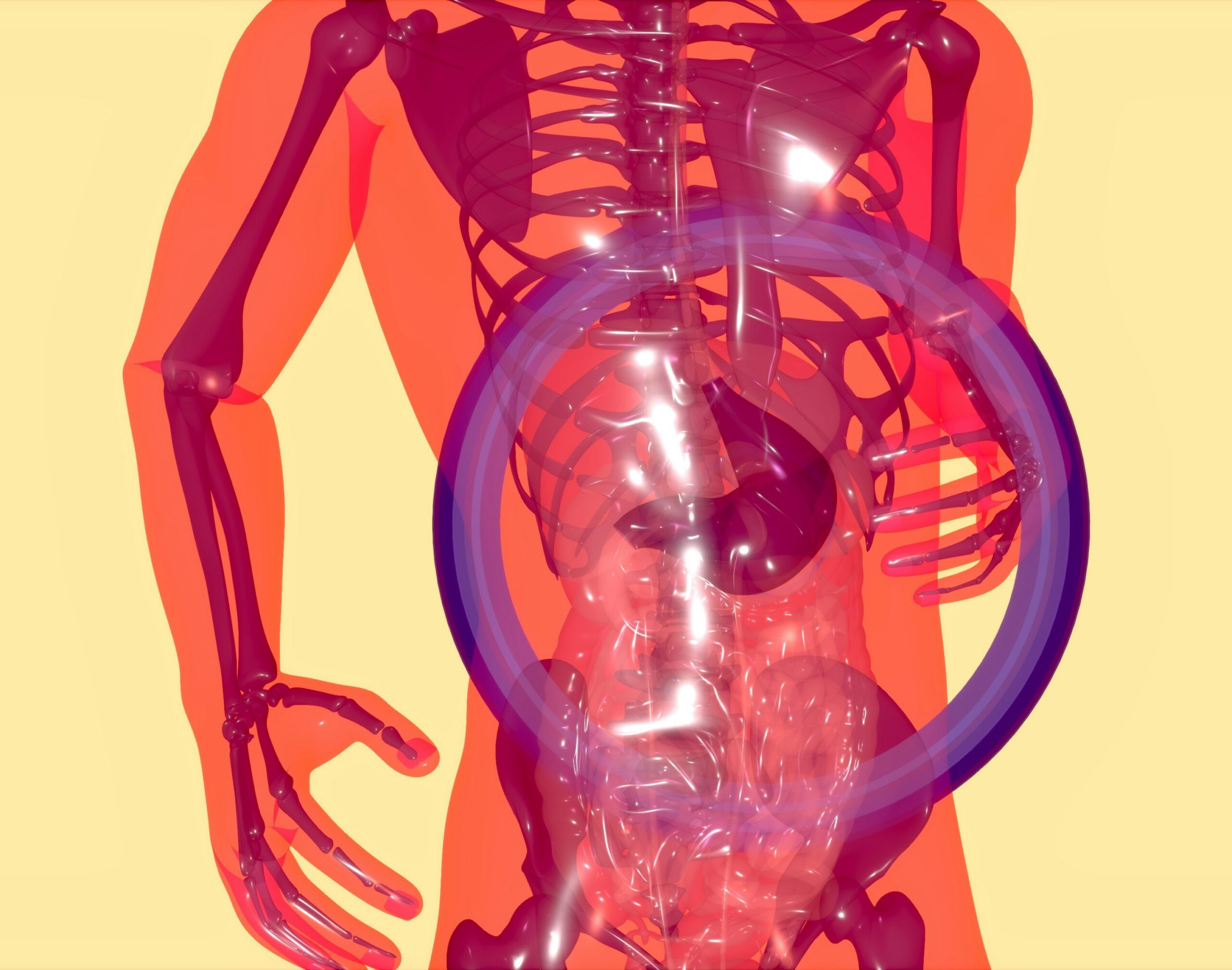
Your liver and digestive system are intimately connected through what is often called the gut-liver axis.
The gut microbiome, intestinal barrier, bile acids, immune signaling, and metabolism all interact with liver health.
Researchers continue to investigate exactly how changes in the gut microbiome contribute to MASLD.
This is why I don’t look at liver health in isolation.
Gut health, metabolic health, nutrition, movement, sleep, stress, and liver health are interconnected.
A Functional Health Approach to Supporting Your Liver
The conventional approach often focuses on identifying the disease and managing the associated medical risk factors.
A functional approach asks an additional question:
“Why is this person’s metabolism struggling in the first place?”
Rather than focusing on the liver alone, we look at the whole metabolic picture.
Here are some of the foundational strategies I recommend discussing with your healthcare team.
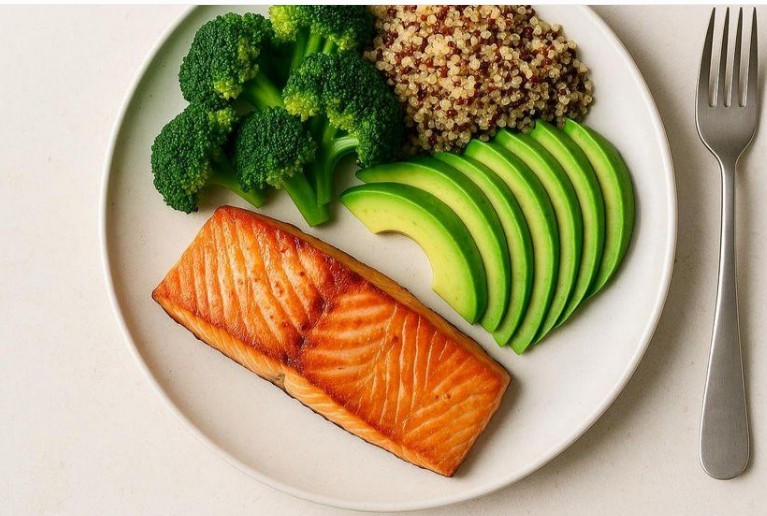
1. Build Your Plate Around Whole Foods
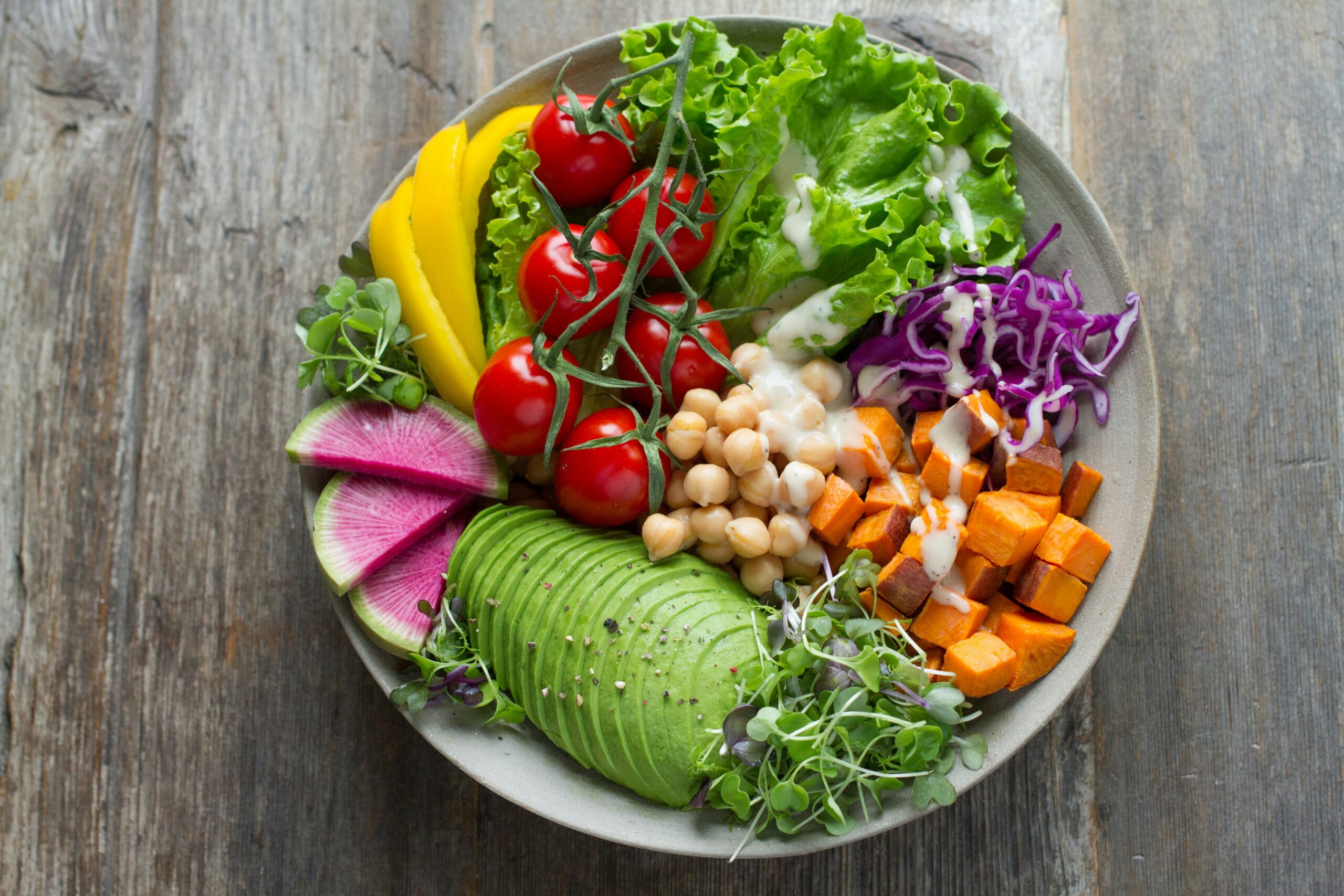
Think:
Protein + Plants + Healthy Fats + Fiber
Prioritize:
- Quality protein
- Vegetables
- Leafy greens
- Berries and other whole fruits
- Beans and legumes
- Whole grains as appropriate
- Nuts and seeds
- Extra-virgin olive oil
- Fatty fish
- Minimally processed foods
A Mediterranean-style eating pattern is a practical framework because it emphasizes vegetables, whole foods, fiber, unsaturated fats, fish, and minimally processed foods.
2. Reduce Added Sugar
One of the simplest changes you can make is to dramatically reduce sugary drinks.
Watch for:
- Soda
- Sweet tea
- Energy drinks
- Sugary coffee drinks
- Sports drinks
- Fruit drinks
- Desserts
- Highly processed snack foods
Don’t drink your sugar.
Choose water, sparkling water, or unsweetened beverages most of the time.
3. Prioritize Protein
Adequate protein becomes particularly important as we get older because maintaining muscle mass supports metabolic health.
Include a quality protein source at each meal, such as:
- Fish
- Poultry
- Eggs
- Greek yogurt
- Cottage cheese
- Beans and legumes
- Tofu or tempeh
- Lean meats when desired
Building and maintaining muscle is one of the most powerful things you can do for metabolic health.
4. Move Your Body—Especially Your Muscles

Exercise is medicine for your metabolism.
You don’t need to become an athlete.
Start with what you can consistently do:
Walk. Lift weights. Cycle. Swim. Dance. Hike.
Ideally, combine aerobic activity with resistance training.
Importantly, physical activity can benefit fatty liver even without significant weight loss.
Your muscles are metabolically active tissue and play an important role in glucose regulation.
5. If Needed, Lose Weight Slowly and Strategically
For people who are overweight or have obesity, even modest weight loss can improve liver fat.
Research and clinical guidance indicate that losing approximately 3–5% of body weight can reduce liver fat, while greater weight loss—around 7–10%—may be needed to substantially improve inflammation and fibrosis in people with more advanced disease.
But here’s the important part:
Don’t crash diet.
Rapid weight loss and inadequate nutrition can actually be harmful.
The goal is sustainable fat loss while preserving muscle and nutritional status.
6. Support Your Gut
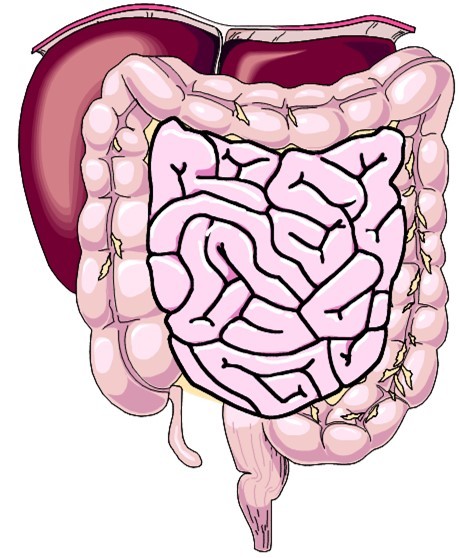
A liver-friendly lifestyle is also a gut-friendly lifestyle.
Focus on increasing fiber and plant diversity through vegetables, legumes, nuts, seeds, berries, and whole grains as tolerated.
Instead of immediately reaching for a supplement, start with the basics:
Feed your beneficial microbes with real food.
If you have significant digestive symptoms, personalized assessment can help identify foods and habits that work best for you.
7. Don’t Forget Sleep

Aim for consistent, restorative sleep.
Poor sleep can make it harder to regulate:
- Appetite
- Blood sugar
- Insulin sensitivity
- Stress hormones
- Body weight
Your liver doesn’t operate on its own schedule.
Your circadian rhythm matters too.
8. Manage Stress
Chronic stress can make healthy habits harder to maintain and can influence sleep, appetite, movement, and metabolic health.
Try incorporating simple daily practices:
- Deep breathing
- Meditation
- Time outdoors
- Yoga
- Walking
- Gratitude
- Social connection
- Time away from screens
You don’t need another complicated health protocol.
Consistency beats complexity.
9. Be Thoughtful About Supplements
This is especially important when we’re talking about the liver.
“Natural” does not automatically mean “safe for your liver.”
Some supplements and herbal products can cause liver injury, and people with liver disease should discuss supplements with their healthcare professional before taking them.
Rather than taking a long list of “liver detox” products, I prefer to begin with:
Food → movement → sleep → stress → metabolic health → targeted testing → personalized support.
10. Know Your Numbers
One of the most powerful aspects of a functional approach is looking beyond how you feel.
Consider discussing appropriate testing with your healthcare provider, which may include:
- Fasting glucose
- HbA1c
- Fasting insulin when clinically appropriate
- Triglycerides
- HDL cholesterol
- Blood pressure
- Waist circumference
- ALT and AST
- Other liver markers as appropriate
- Liver ultrasound or elastography when indicated
- Fibrosis risk assessment
Remember:
Normal liver enzymes don’t necessarily mean your liver is completely healthy.
Some people with MASLD have few symptoms and may not have dramatic abnormalities on routine blood work.
If fatty liver has been identified, ask your healthcare professional whether you need an assessment of liver fibrosis, because scarring is an important predictor of long-term risk.
Your Liver Doesn’t Need a “Detox”
Here’s a message I wish more people understood:
Your liver is already your body’s major detoxification organ.
You don’t need an expensive juice cleanse to “flush toxins” out of your liver.
What your liver needs is the opportunity to do its job without being continually overwhelmed by metabolic dysfunction, excess calories, alcohol, highly processed foods, and other sources of liver injury.
Instead of asking:
“What can I take to detox my liver?”
Ask:
“What can I stop doing that is making my liver’s job harder?”
That shift can be incredibly powerful.
The Good News About Fatty Liver
A diagnosis of fatty liver doesn’t have to be a life sentence.
Your liver is remarkably resilient.
Addressing the underlying metabolic drivers—particularly insulin resistance, excess visceral fat, poor nutrition, inactivity, and excessive alcohol—can make a meaningful difference.
And the benefits extend far beyond the liver.
Improving metabolic health can also support:
Heart health • Blood sugar • Healthy weight • Energy • Brain health • Gut health • Healthy aging
That’s why I like to think about MASLD as more than a liver problem.
It’s a metabolic health warning sign.
And a warning sign gives you an opportunity to change direction.
Your Liver Health Action Plan
If you want to start today, keep it simple:
1. Fill your plate with whole foods.
2. Reduce added sugar and sugary beverages.
3. Eat adequate protein and fiber.
4. Move your body every day.
5. Strength train regularly.
6. Prioritize restorative sleep.
7. Minimize or avoid alcohol if you have liver disease.
8. Maintain a healthy waist and metabolic markers.
9. Be cautious with supplements and “detox” products.
10. Know your numbers and assess your liver health when appropriate.
Your liver may not complain loudly when it’s struggling—but your biomarkers can tell a story.
The earlier you listen, the more opportunity you have to change that story.
A Final Thought
Your liver works around the clock to help regulate metabolism, process nutrients, support digestion, and protect your body.
It deserves more than a once-a-year thought.
Love your liver by taking care of the metabolic environment in which it has to work.
Small, consistent lifestyle changes can create profound changes in your health over time.
Your liver—and your future self—will thank you.
This article is for educational purposes only and is not intended to diagnose or treat liver disease. If you have been diagnosed with MASLD, MASH, alcohol-associated liver disease, elevated liver enzymes, or liver fibrosis, work with your qualified healthcare professional to develop an individualized treatment and monitoring plan.
OTHER BLOGS YOU WILL LIKE
Love Your Liver: 8 Simple Ways to Support Your Body’s Hardest-Working Organ