
Want to enjoy more time on the pickleball court?
Start by taking care of the body that gets you there.
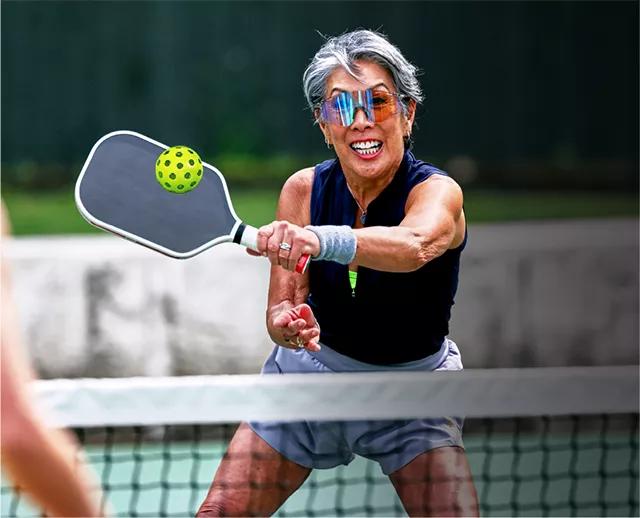
Pickleball has become one of the most popular sports for adults—and for good reason!
It combines movement, strategy, social connection, and plenty of fun.
Whether you’re playing for fitness, competition, or the friendships that come with the game, pickleball can be a fantastic way to stay active as you age.
But here’s something many players overlook:
“Playing more pickleball isn’t necessarily the answer to playing better pickleball.”
Your nutrition, strength, hydration, mobility, and recovery habits matter just as much.
As a holistic health coach, I believe that supporting your body from the inside out can help you stay active, feel stronger, and enjoy the activities you love for years to come.
Here are 10 wellness tips to help you get more out of every game.
# 1. Prioritize Protein to Maintain Strong Muscles

Muscle strength is essential for pickleball. You need it to accelerate toward the ball, change direction, stabilize your joints, and recover between games.
As we age, we naturally become more vulnerable to muscle loss, particularly when we don’t consume enough protein or engage in regular resistance training.
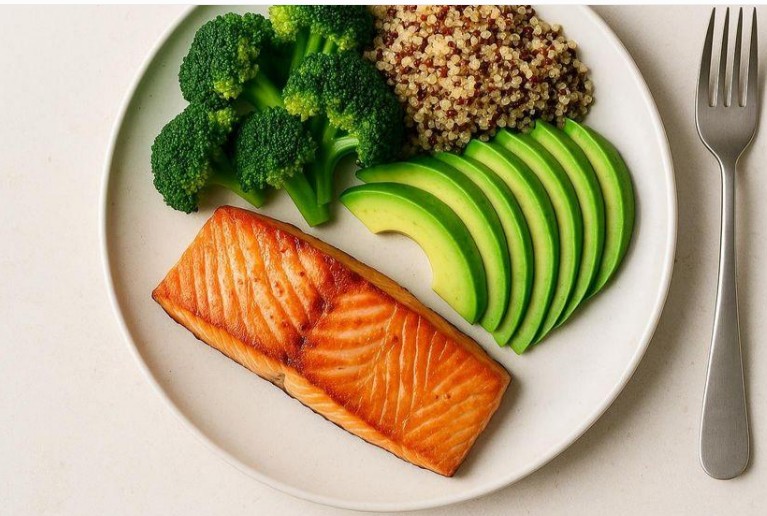
My tip: Include a quality protein source at every meal. Options include eggs, fish, poultry, Greek yogurt, tofu, beans, and lean meats.
Many active older adults benefit from approximately 1.0–1.2 grams of protein per kilogram of body weight daily, with some needing more depending on training and individual health circumstances. Distribute protein across your meals rather than saving most of it for dinner.
If you have kidney disease or have been advised to restrict protein, consult your healthcare professional about your individual needs.
# 2. Strength Train for Better Performance and Injury Prevention

Pickleball may look like a game of quick reactions, but it places significant demands on your muscles, tendons, joints, and balance.
Strong legs help you move confidently around the court. Strong hips and glutes support stability, while a strong core helps control rotation and movement. Upper-body strength supports your shoulders, arms, and paddle control.
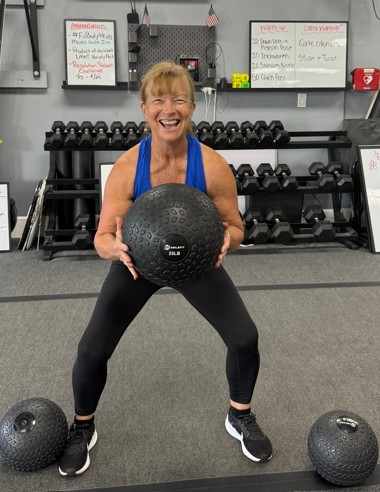
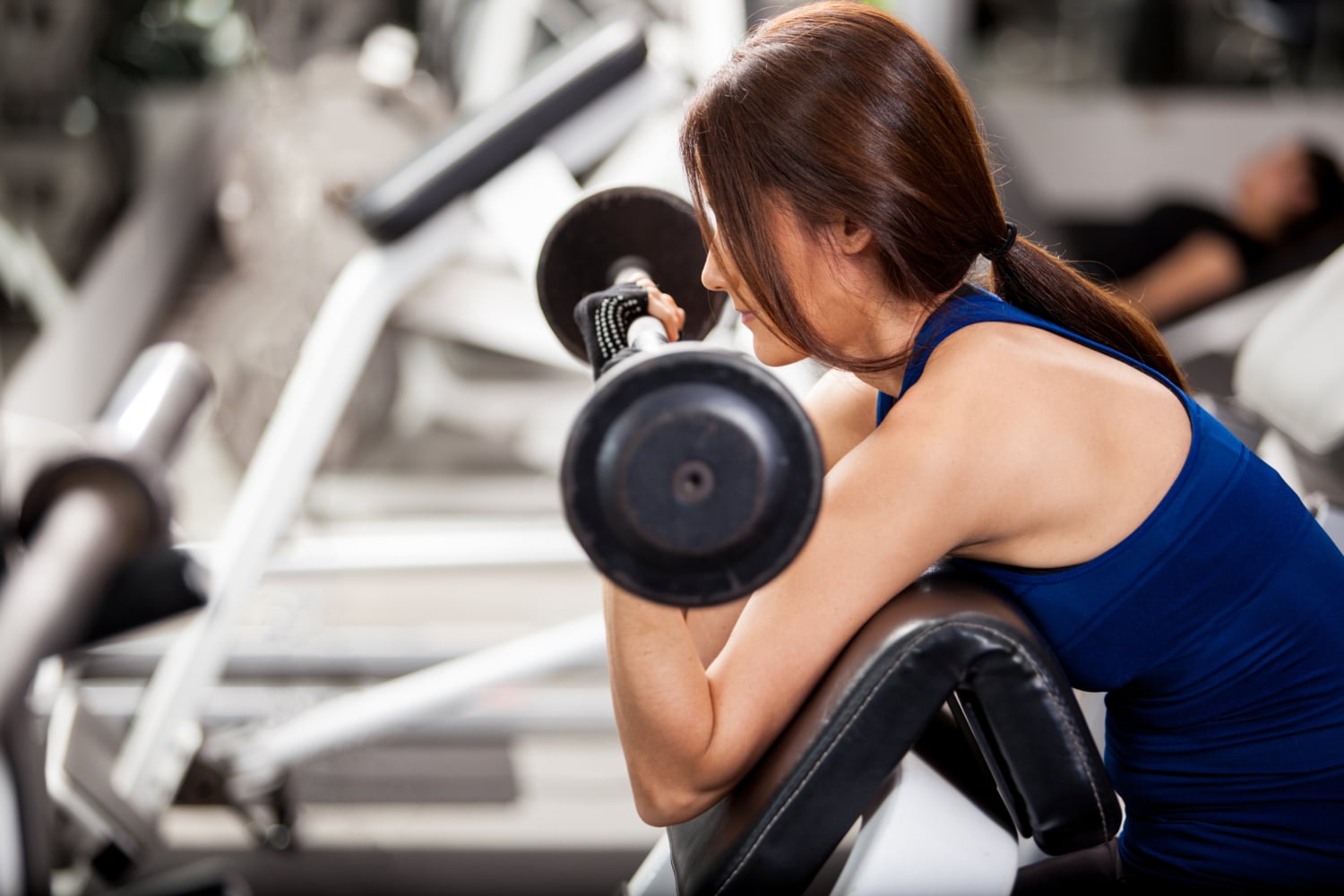
My tip: Aim for two or more strength-training sessions each week, tailored to your fitness level.
Focus on exercises such as:
- Squats or sit-to-stands
- Step-ups and supported lunges
- Resistance-band rows
- Calf raises
- Core stability exercises
- Balance training
- Start gradually and consider working with a qualified trainer if you’re new to strength training or have existing joint problems.
Remember: *Muscle is more than a fitness goal. It’s an investment in your independence and longevity.*
# 3. Hydrate Before, During, and After Playing

Dehydration can contribute to fatigue, headaches, dizziness, and reduced exercise performance. This becomes particularly important when playing outdoors in warm weather.
Don’t wait until you’re thirsty to start drinking.
My tip: Begin your game well hydrated, drink water regularly during play, and replace fluids afterward. Longer sessions, hot conditions, and heavy sweating may increase your fluid and electrolyte needs.
For most shorter recreational sessions, water is usually sufficient. For prolonged play in the heat or heavy sweating, an electrolyte drink may be helpful.
Be aware that people with certain heart or kidney conditions may need individualized fluid guidance.
# 4. Warm Up Before You Step Onto the Court

Arriving at the court and immediately launching into a competitive game is tempting—but your body needs time to prepare.
A warm-up increases blood flow, raises muscle temperature, and helps you transition into faster movements.
My tip: Spend five to ten minutes warming up before play.
Try:
- Brisk walking or marching
- Gentle side steps
- Controlled arm circles
- Calf raises
- Gentle hip and ankle mobility exercises
- Gradual practice shots and court movements
Avoid forcing deep stretches or making sudden, aggressive movements when your muscles are cold.
A little preparation can help you move more comfortably and confidently.
# 5. Protect Your Knees, Hips, Shoulders, and Achilles Tendons
Pickleball involves quick stops, lateral movements, lunges, and changes in direction. These demands can aggravate existing problems or contribute to injuries, particularly when players increase their playing time too quickly.
Common trouble spots include the knees, ankles, Achilles tendons, shoulders, and elbows.
My tip: Wear court shoes designed for lateral stability, increase playing time gradually, and pay attention to persistent pain.
Good technique, adequate strength, balance training, and recovery all matter. If you develop significant swelling, instability, sudden pain, or difficulty bearing weight, seek appropriate medical assessment.
Don’t assume every ache is simply part of getting older.
# 6. Fuel Your Body for Energy and Endurance

Skipping meals or relying on coffee alone before playing may leave you feeling depleted, especially during longer sessions.
Your muscles need fuel, and your body benefits from a balanced combination of carbohydrates, protein, healthy fats, and micronutrients.
My tip: Before playing, choose a meal or snack that agrees with your digestion and provides energy.
Examples include:
- Greek yogurt with berries
- Oatmeal with nuts and seeds
- A banana with nut butter
- Whole-grain toast with egg
After playing, combine protein with carbohydrate-rich foods to support muscle recovery and replenish energy stores.
You don’t need an elaborate sports nutrition plan for every recreational game. Consistent, balanced meals are an excellent starting point.
# 7. Don't Underestimate Sleep and Recovery

It’s easy to focus on the games you play and overlook what happens between them.
Muscles repair and adapt during recovery. Poor sleep and insufficient rest can contribute to fatigue, slower reactions, and reduced exercise tolerance.
My tip: Aim for seven to nine hours of sleep per night, when possible, and allow adequate recovery between demanding sessions.
If you play frequently, alternate harder days with lighter activity, walking, mobility work, or rest.
Persistent fatigue, declining performance, or soreness that doesn’t improve may be signs that you need to adjust your training load.
More court time isn’t always better. Smart recovery helps you keep coming back.
# 8. Support Your Gut Health

Your digestive system plays an important role in nutrient absorption, immune function, and overall well-being. If you’re experiencing bloating, constipation, or digestive discomfort, it can affect how comfortable and energetic you feel during play.
My tip: Support your gut with a varied, fiber-rich diet.
Include vegetables, fruits, legumes, whole grains, nuts, and seeds. Fermented foods such as yogurt with live cultures or kefir may also be helpful if you tolerate them.
Increase fiber gradually and drink enough fluid, especially if your current diet is low in fiber.
If certain foods trigger symptoms, keep a food and symptom diary and seek professional guidance for persistent digestive problems.
I recommend a daily probiotic GET YOURS HERE
A healthy gut is one important part of an overall wellness strategy.
# 9. Pay Attention to Bone Health and Joint Support
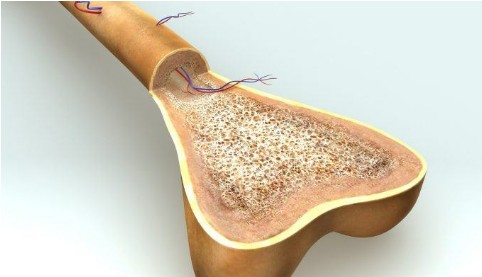
Staying active is wonderful for healthy aging, but your body also needs the nutrients and physical stimulus that support strong bones and connective tissue.
Calcium, vitamin D, adequate protein, and appropriate weight-bearing and resistance exercise all contribute to bone health.
My tip: Eat a nutrient-rich diet and discuss bone health screening with your healthcare professional, particularly if you have risk factors for osteoporosis.
For joint comfort, focus on building strength, maintaining a healthy activity level, managing training load, and eating a balanced diet rich in vegetables, fruit, and other nutrient-dense foods.
No supplement can guarantee injury prevention or reverse joint damage, so look at the complete picture rather than relying on a single product.
# 10. Make Wellness Part of Your Pickleball Strategy
The best pickleball players aren’t necessarily the ones who play the most hours. They’re the ones who learn to listen to their bodies and develop habits that support consistent performance.
That means looking beyond the court.
My Tip : Build a simple daily wellness routine:
- Eat balanced meals with sufficient protein.
- Drink fluids regularly.
- Include strength and balance training.
- Make time for sleep and recovery.
- Manage stress with breathing exercises, relaxation, or time outdoors.
- Schedule regular health checkups and discuss relevant screening with your healthcare professional.
- Small, consistent habits can add up to meaningful improvements in how you feel and function.
The Bottom Line: Play for the Long Game

Pickleball is about more than winning points.
It’s about staying connected, challenging yourself, enjoying movement, and maintaining the strength and vitality to keep doing what you love.
By paying attention to nutrition, muscle health, hydration, mobility, and recovery, you can give your body better support for an active lifestyle.
My philosophy is simple: Don’t just focus on how many games you can play today. Focus on building the health that helps you enjoy playing for years to come.
Here’s to stronger muscles, healthier habits, more energy, and many more happy hours on the court!
Want to Take Your Wellness to the Next Level?

As a holistic health coach, I help people take a more personalized approach to their health through nutrition, lifestyle strategies, and a better understanding of the factors that influence how they feel and function.
If you’re ready to be more intentional about your energy, muscle health, digestion, and healthy aging, I’d love to help you explore the next steps in your wellness journey.
Your best game starts with your health!