

We have entered a new era of obesity medicine.

Drugs like Ozempic and Wegovy (called GLP-1 agonists) can lead to fast and impressive weight loss. There’s no denying that.
But there’s a big question most people aren’t talking about:
What happens when you stop taking them?
The answer matters—because without a plan, many people end up worse off than when they started.
The Hidden Problem: Weight Regain Isn’t Equal

When someone loses weight on GLP-1 medications, 25–40% of that loss comes from lean mass—muscle and bone, not just fat.
That’s the first concern.
The bigger danger comes later.
When people stop the medication—often because of cost, side effects, or long-term safety worries—the weight usually comes back quickly. But this time, most of the weight regained is fat, not muscle.
This leads to something called sarcopenic obesity = a body that is fatter, weaker, and less resilient than before.
In simple terms:
You may weigh the same as before—but your health is worse.
A large 2026 BMJ meta-analysis found that after two years, many people who used weight-loss drugs were predicted to be fatter than when they started.
Interestingly, people who followed behavior-based, drug-free weight loss regained some weight—but were still predicted to be leaner overall.
Red Flags I Observe with these Medications
1. Short Term Gain with Potential Longterm Pain
Yes, the drugs help in the short term.
But if the benefit disappears within a year after stopping, did we truly help—or just offer a temporary fix?
2. Stopping the drug leads to fat regain
This is the biggest issue.
As I said before, when people stop the medication—often because of cost, side effects, or long-term safety worries—the weight usually comes back on a muscle-depleted body quickly. But this time, most of the weight regained is fat, not muscle.
That’s before even considering the growing concerns about serious side effects like gastroparesis and vision changes, which are now part of active legal cases.
3. True Informed Consent
Real consent means more than listing nausea as a side effect.
Patients deserve to hear the full truth:
- “You will likely regain weight if you stop.”
- “You may lose muscle that doesn’t come back.”
- “Without strength training and enough protein, frailty is a real risk.”
People who should NOT take GLP-1 medications include those with a personal or family history of medullary thyroid carcinoma (MTC), individuals with Multiple Endocrine Neoplasia type 2 (MEN2), and patients with severe gastroparesis or past serious allergic reactions.
Your provider should review your health history to determine if GLP-1 treatment is safe for you.
4 Fairness
- Who benefits most from these drugs?
- People who can afford them for life.
- Who is most at risk?
Those who can only afford a few months, stop abruptly, and end up weaker than before.
That gap matters.
The Real Solution: Start With the Exit Plan
This isn’t about banning GLP-1 medications.
It’s about using them responsibly.
New research shows there is a better way.

Studies like the McKenzie et al. 2024 Virta trial suggest that when people combine:
- Gradual deprescribing
- Protein focused and carbohydrate-restricted nutrition
- Ongoing lifestyle support
they can maintain meaningful weight loss without staying on the drug forever.
A Success Plan
Responsible care means pairing medication with a plan that lasts beyond the prescription.
That includes:
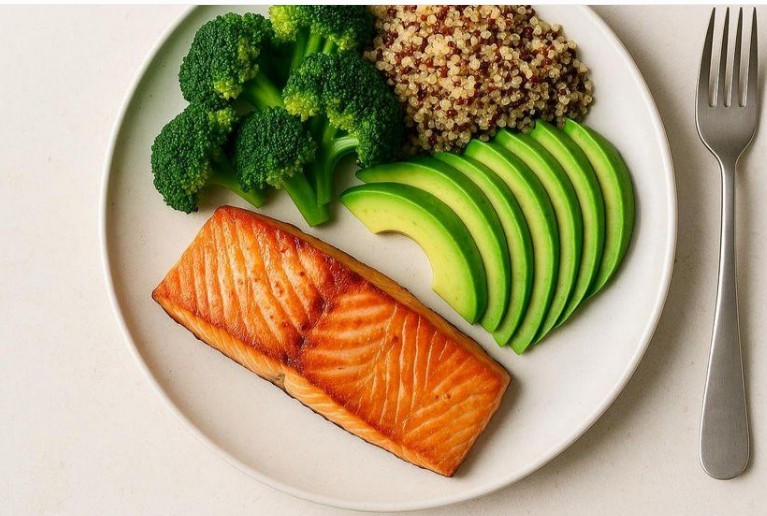
Muscle protection: resistance training and adequate protein.
How to Protect Muscle and Strength
- Avoid rapid weight loss. I know, weight loss is the whole point of some GLP-1s. But losing more than 1.5%–2% of body weight per week raises the risk of muscle and bone loss.
- Lift heavy things. Resistance exercise is the most effective way to preserve muscle. Even light weights, resistance bands, or body-weight workouts help.
- Eat enough protein. Protein supports muscle retention, but exercise has a much bigger impact.
Honest conversations: clear expectations about side effects and weight regain
Nausea, vomiting, diarrhea, and constipation remain the most common issues. Less common long-term risks include gallbladder disease and, rarely, pancreatitis.
Many people regain some or all of the weight, and blood sugar levels often rise again in those with diabetes. There are no withdrawal symptoms, but the underlying condition usually returns unless it’s managed through other treatments or lifestyle changes.
A real exit strategy: a metabolic plan patients can sustain long term
If we don’t plan for what happens after the medication, we we’re just delaying the inevitable.
What to Ask Your Doctor Before Starting a GLP-1 Medication
If you are considering a medication like Ozempic or Wegovy, these questions can help you protect your long-term health—not just the number on the scale.
1. How will we protect my muscle while I lose weight?
Ask about strength training and daily protein goals. Muscle loss is common with rapid weight loss, and preserving it is critical for metabolism, strength, and aging well.
2. What is the plan if I need or choose to stop the medication?
Many people stop due to cost or side effects. Ask what happens next and how weight regain will be managed before you ever start.
3. How much weight regain is typical after stopping?
You deserve honest expectations—not best-case scenarios. Understanding the rebound risk helps you make an informed decision.
4. Will I receive nutrition and lifestyle support while on the medication?
Medication alone is rarely enough. Ask if nutrition guidance, movement planning, and ongoing coaching are part of your care.
5. How will this affect my long-term metabolic health?
Weight loss and metabolic health are not the same thing. Ask how insulin sensitivity, muscle mass, and energy levels will be supported over time.
6. Am I a candidate for a time-limited plan, not lifelong medication?
Find out whether your provider has a deprescribing or transition strategy that helps you maintain results without staying on the drug forever.
7. What signs should prompt us to reassess or stop treatment?
Knowing when to pause or adjust treatment protects your health and prevents long-term complications.
BOOK A DISCOVERY CALL WITH DR KAREN

My passion is to create a healthy lifestyle plan for you wherever you are on your wellness journey.
Each person is unique and needs a unique plan.
Nearly 12 percent of Americans have used GLP-1 drugs for weight loss, including about one-fifth of women aged 50 to 64.
Among those who have used GLP-1 drugs, about half report they have experienced nausea and about one-third experienced diarrhea—the two most-common side effects associated with the medications.
Lifestyle support is essential and I am happy to offer a FREE 30 Minute discovery call to see how you can optimize your lifestyle plan so you are not alone.
OTHER BLOGS ON THIS TOPIC
Weight Loss Drugs – Hope or Hype?