

Why Is Colon Cancer Increasing in Younger Adults?
The entertainment world is reeling after the heartbreaking loss of Dawson’s Creek star James Van Der Beek, who has died at just 48 years old.
The beloved actor passed away “peacefully” following a two-and-a-half-year battle with colorectal cancer —
James Van Der Beek died on Wednesday, February 11, 2026 at just 48 years old after a nearly three-year fight with stage 3 colorectal cancer. He is survived by his wife, Kimberly Van Der Beek, and their six young children.
The symptom he almost ignored
Van Der Beek had been candid about his health journey, determined to raise awareness about colorectal cancer, especially among younger adults who don’t think they’re at risk.
He revealed that the first warning sign was a subtle but persistent change in his bowel habits. At first, he brushed it off as something minor.
Even after undergoing a colonoscopy, he wasn’t overly concerned. He had no family history of the disease. He exercised regularly. He ate well. He felt strong.
Then came the news that changed everything.
The diagnosis: stage three colorectal cancer.
Van Der Beek later reflected on how his assumptions about cancer were completely upended.
”I’d always associated cancer with age and with unhealthy, sedentary lifestyles. But I was in amazing cardiovascular shape. I tried to eat healthy – or as far as I knew it at the time,” he said.
A growing crisis among younger adults
Colorectal cancer is no longer just a disease associated with older adults. In the U.S., roughly 150,000 people are diagnosed each year. Alarmingly, it has become the leading cause of cancer-related death for men and women under 50.
That’s part of why Van Der Beek chose to speak openly about his experience. He wanted others to pay attention to their bodies — especially when something feels “off.”
Doctors say the rise in colorectal cancer among younger adults is deeply concerning.
“We’re now starting to see more and more people in the 20-, 30- and 40-year-old range developing colon cancer. At the beginning of my career, nobody that age had colorectal cancer,” said John Marshall of Georgetown University’s Lombardi Comprehensive Cancer Center, who has treated cancer patients for more than three decades.
Major Risk Factors That Increase Colon Cancer Risk
At any stage of life, several factors can raise the risk of colorectal cancer. This is not about one single cause. It’s about a pattern.
Some risk factors are genetic and unavoidable. But many are lifestyle-related—and that means there is room for prevention.
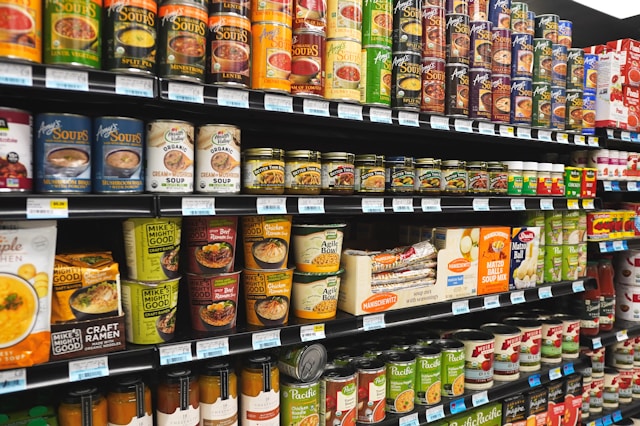
Diet of High Processed Foods
Diets high in processed meats, refined carbohydrates, sugar, and ultra-processed foods are associated with increased risk.
Low fiber intake
This slows bowel transit time. When waste sits longer in the colon, the lining is exposed to potential carcinogens for longer periods.
A fiber-rich diet (vegetables, fruits, legumes, seeds) supports:
- Healthy bowel movements
- Beneficial gut bacteria
- Production of protective short-chain fatty acids like butyrate
Chronic Inflammation
Inflammation is a common thread in many chronic diseases, including colon cancer.
Conditions like:
- Inflammatory bowel disease (Crohn’s and ulcerative colitis)
- Obesity
- Metabolic syndrome
create a pro-inflammatory environment in the gut, which may promote abnormal cell growth over time.

Obesity
Excess body fat—especially abdominal fat—raises insulin and inflammatory markers.
Blood Sugar Imbalance
High insulin levels can stimulate cell growth and reduce normal cell death. Over time, this increases the likelihood of mutations.
As rates of obesity and insulin resistance rise, so does colon cancer risk.
Sedentary Lifestyle
Physical inactivity slows digestion and contributes to weight gain and metabolic dysfunction.
Regular movement:
- Improves insulin sensitivity
- Reduces inflammation
- Speeds bowel transit
Even brisk walking daily can significantly lower risk.
Alcohol
Smoking
Heavy alcohol use and tobacco exposure increase colorectal cancer risk. These substances introduce carcinogens and increase oxidative stress in the body.
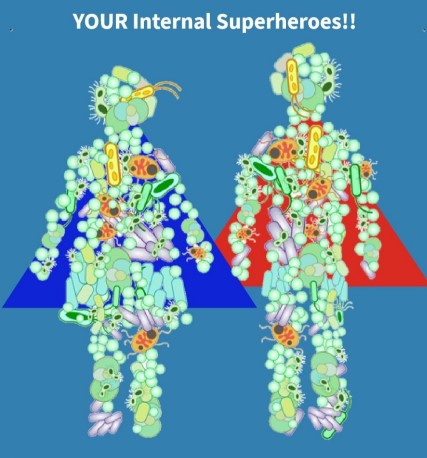
Gut Microbiome Disruption
Your gut bacteria play a powerful role in colon health.
- Antibiotic overuse,
- low-fiber diets,
- chronic stress, and
- ultra-processed foods
can disrupt microbial balance. Some harmful bacteria produce toxins that may damage the colon lining.
A diverse microbiome supports immune regulation and helps protect the intestinal barrier.
Family History and Genetics
Having a first-degree relative with colon cancer increases your risk.
Certain inherited conditions (like Lynch syndrome or familial adenomatous polyposis) also significantly elevate risk.
If you have a strong family history, early screening is essential.
Symptoms people shouldn’t ignore
Health organizations urge people to watch for:
- Changes in bowel habits (diarrhea, constipation, softer stool)
- Blood in stool (red or black)
- Bleeding from the rectum
- Ongoing abdominal pain
- Bloating
- Unexplained weight loss
- Fatigue or shortness of breath (possible signs of anemia)
- A persistent feeling of needing to use the bathroom
Why Younger Adults?
Researchers are exploring several theories:
- Early-life antibiotic exposure
- Childhood obesity
- Processed food consumption beginning at a young age
- Environmental toxins
- Chronic stress
The gut environment people are growing up with today is very different from that of previous generations.
The Good News: Prevention Is Powerful
While we can’t change genetics, we can influence our internal environment.
Protective strategies include:
- Eating 25–35 grams of fiber daily
- Reducing processed and red meat intake
- Supporting gut health with diverse plant foods
- Maintaining a healthy weight
- Moving your body consistently
- Limiting alcohol
- Avoiding smoking
- Managing stress
- Small daily habits compound over time.
Call to Action
Colon cancer on the rise is not random. It reflects broader shifts in how we eat, move, manage stress, and care for our gut health.
The encouraging reality? Many risk factors are modifiable.
Your gut is not separate from the rest of your health—it is central to it. The earlier we support digestive balance, reduce inflammation, and improve metabolic resilience, the stronger our long-term protection becomes.
Reading about rising cancer rates can feel overwhelming. But fear isn’t the goal—empowerment is.
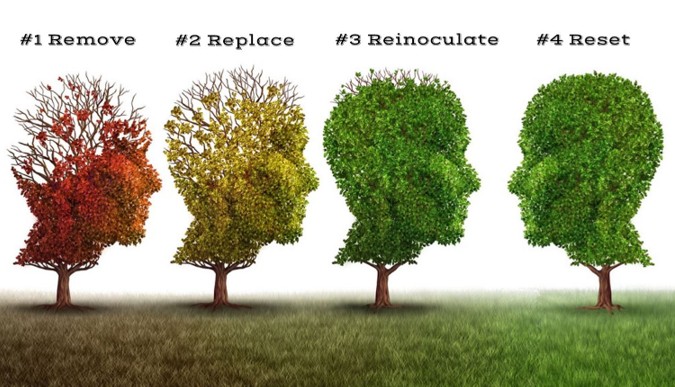
Supporting your gut health is one of the most powerful steps you can take for long-term wellness.
That’s exactly why I created my 4-Week Digestive Detox—a structured, guided program to calm inflammation, improve elimination, and nourish the microbiome with real, whole foods.
If you’ve been feeling bloated, sluggish, or simply ready to be more proactive about your health, this is a simple place to begin.