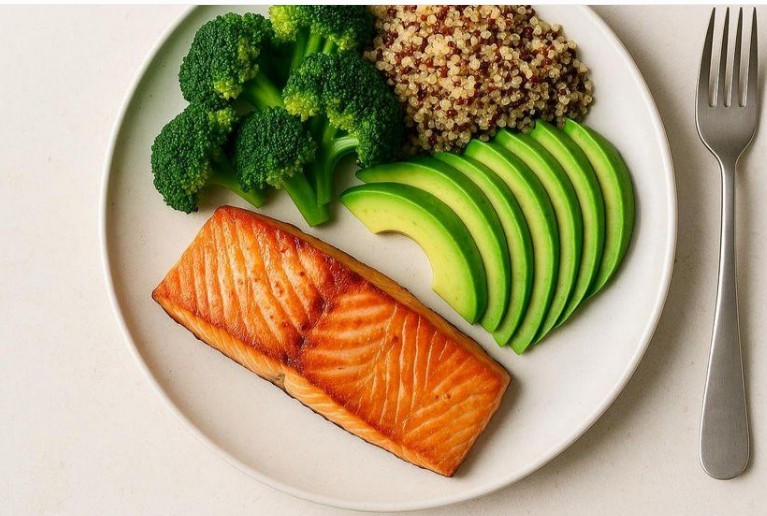


The new Dietary Guidelines for Americans mark the most significant change to the guidance since 1980. They encourage people to eat more animal proteins and fats, and avoid highly processed foods, while putting a clear focus on eating real, whole foods.
The U.S. Department of Health and Human Services and the U.S. Department of Agriculture publish the guidelines jointly every five years. The updated U.S. Dietary Guidelines for Americans, which influence school lunches, medical advice and nutrition standards, have been anticipated since summer.


1. Eat Real Foods, Avoid Highly Processed Foods
The new advice, from Dietary Guidelines for Americans, 2025–2030, differs from earlier guidelines, which did not clearly tell people to reduce ultra-processed food intake.
highly processed foods are any food or drink primarily made from food extracts—such as refined sugars, grains and starches, and oils—or containing industrially manufactured chemical additives.

In the United States, more than half of the calories consumed at home by both adults and children come from ultra-processed foods, or UPFs, according to a 2025 analysis from the National Center for Health Statistics.
Ingesting UPFs has been associated with more than 30 health conditions, including Type 2 diabetes, heart diseases, mental health disorders and obesity. A diet heavy in UPFs has also been linked to a greater risk of arthritis and increased fat within thigh muscles.
Though UPFs are unhealthy, they tend to be inexpensive and more accessible to many populations compared to whole foods.
2. Eat More Protein, Especially From Animals
The new guidelines suggest a 60 percent to 120 percent increase in recommended protein intake and place particular emphasis on animal proteins over plant proteins.
In the report accompanying the guidelines, the authors noted that previous protein intake recommendations—including both the Recommended Dietary Allowance (RDA) and the Acceptable Macronutrient Distribution Range (AMDR)—are minimum thresholds intended to maintain nutrient adequacy. The current RDA is 0.8 grams of protein per kilogram of body weight.
The authors sought to determine whether eating more than the minimum protein recommendations had additional health benefits.
Their review of 30 clinical trials examining higher protein intake found that eating 1.2 to 1.6 grams of protein per kilogram of body weight
3. Recommendations on Fat
While the new guidelines keep the previous recommendations of a saturated fat limit at less than 10 percent, they recommend eating full-fat dairy as opposed to low-fat, and also give butter and beef tallow as potential cooking options.
4. Revised alcohol recommendations
The new recommendations also removed restrictions on alcoholic drinks, which previously advised limiting intake to one to two drinks daily.
Reactions from health organizations
In a press release Tuesday, the American Medical Association applauded the new guidelines for “spotlighting the highly processed foods, sugar-sweetened beverages and excess sodium that fuel heart disease, diabetes, obesity and other chronic illnesses.”
AMA President Dr. Bobby Mukkamala added the guidelines “affirm that food is medicine and offer clear direction patients and physicians can use to improve health.”
The American Heart Association commended several aspects of the new guidelines, including an emphasis on increasing intake of vegetables, fruits and whole grains while limiting added sugars, refined grains, highly processed foods and sugary drinks.
But the organization also shared some concerns when it came to red meat, saying in a press release it could “inadvertently lead consumers to exceed recommended limits for sodium and saturated fats, which are primary drivers of cardiovascular disease.”