
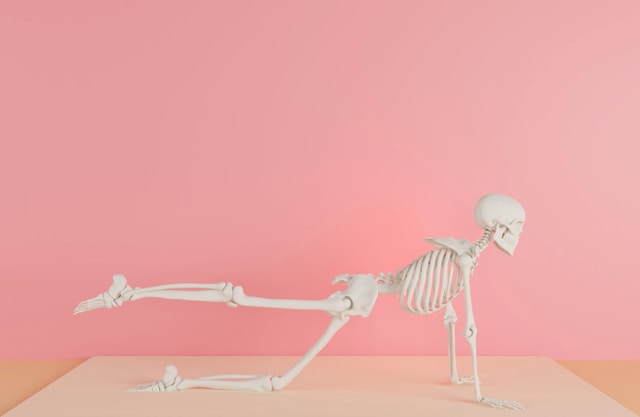
Most people don’t discover they have osteoporosis until they break a bone.
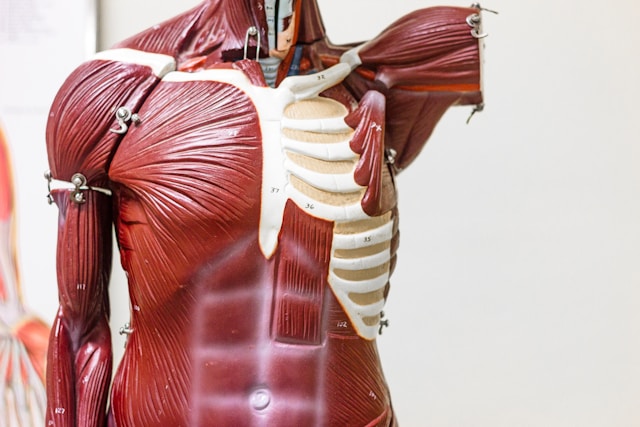
Even fewer have ever heard of sarcopenia—the gradual loss of muscle that begins as early as our 30s and accelerates with age.
By the time a bone density scan or an unexpected fall reveals the problem, years of bone loss and muscle decline have already occurred.
Unfortunately, the typical medical response is often the same: take calcium, perhaps a prescription medication, and “try to stay active.”
But that’s simply not enough.
The good news is that bone loss and muscle loss are among the most preventable—and even reversible—changes associated with aging.
Maintaining strong muscles and healthy bones doesn’t just reduce your risk of fractures. It helps preserve your independence, improves balance, boosts metabolism, supports healthy blood sugar, protects your joints, and even contributes to better brain health.
In other words, if you want to age well, preserving your muscle and bone may be one of the most important investments you can make.
The question isn’t whether you’ll lose bone and muscle as you age.
The question is how much—and what you’re doing today to slow or even reverse that process.
Let’s look at the science behind why it happens and, more importantly, the practical steps you can take to build stronger bones, maintain lean muscle, and stay active for decades to come.
Why Bone and Muscle Loss Go Hand in Hand
Bone and muscle function as a team. Muscles pull on bones to create movement, while bones provide the framework that supports muscles. As we age, both tissues naturally decline unless they are challenged through proper nutrition and exercise. When muscle mass decreases, bones receive less mechanical stress, accelerating bone loss. Likewise, weaker bones make it harder to stay active, creating a cycle that increases frailty.
What is Osteoporosis?
Osteoporosis is a condition in which bones become less dense and more fragile. Because bone loss occurs silently over many years, most people do not know they have osteoporosis until they experience a fracture.
What is Sarcopenia?
Sarcopenia is the age-related loss of muscle mass, strength, and function. It often begins in the fourth decade of life and accelerates after age 60. Loss of strength can affect balance, mobility, metabolism, and independence.
Why Muscle Loss Often Comes First
Beginning around age 30–40, adults gradually lose muscle unless they actively perform resistance exercise and consume adequate protein. Less muscle means less stimulation for bones, lower metabolism, poorer balance, and increased risk of falls.
The Connection to Falls and Fractures
Most hip fractures occur because of a fall rather than weak bones alone. Strong muscles improve balance, reaction time, and coordination, helping prevent falls. Healthy bones are then better able to withstand everyday forces.
Your Bones Need a Reason to Stay
Bone is living tissue that constantly remodels itself. It only remains strong when it is challenged. Without regular loading, the body removes bone that it considers unnecessary.
Wolff’s Law
Wolff’s Law states that bone adapts to the loads placed upon it. When bones are exposed to regular stress from weight-bearing and resistance exercise, they become stronger. When loading decreases, bone density declines.
Why Walking Isn’t Enough
Walking offers tremendous cardiovascular and mental health benefits, but it generally does not provide enough force to significantly increase bone density in most adults. Bones respond best to higher-impact activities and progressive resistance training.
Resistance Training
Strength training two to three times each week is one of the most effective strategies for preserving bone and building muscle. Focus on major muscle groups using weights, resistance bands, or body-weight exercises while gradually increasing the challenge over time.
Impact Exercises
Brief impact activities—such as stair climbing, gentle hops where appropriate, heel drops, tennis, pickleball, or light jumping—stimulate bone-building cells. Choose activities appropriate for your fitness level and consult a healthcare professional if you already have osteoporosis.
The Lab Tests That Matter
Don’t Guess—Test
Include:
- Vitamin D
- Vitamin K2
- Magnesium (RBC)
- Protein intake
- Hormones (thyroid, testosterone, estrogen, DHEA
- Vitamin B12 and iron if appropriate
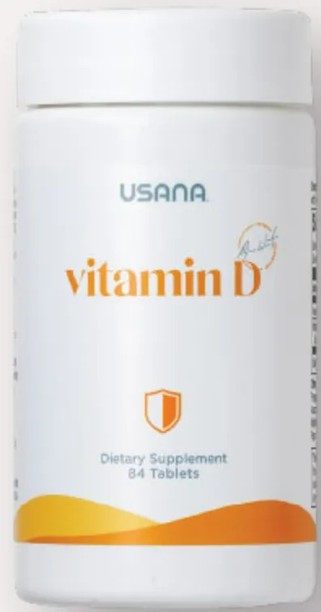
Need some high quality VITAMIN D?
Order HERE
Eat to Build, Not Just Maintain

- 30 grams of protein per meal
- Total daily protein
- Calcium-rich foods
- Collagen (optional)
- Leucine-rich foods
Your 10-Step Strong Bones & Muscles Action Plan
Turn your list into concise, actionable tips with bold headings, for example:
- Lift Something Heavy – Resistance train 2–3 times each week.
- Eat 30 Grams of Protein Every Meal – Muscle needs protein throughout the day.
- Check Your Vitamin D – Aim for optimal, not merely “normal,” levels.
- Don’t Forget Vitamin K2 – Help direct calcium into bones where it belongs.
- Restore Magnesium – Essential for muscles, vitamin D activation, and bone health.
- Consider Hormone Testing – Midlife hormone changes can accelerate bone and muscle loss.
- Rule Out Hidden Causes – Ask about thyroid function, B12, iron, and other metabolic factors.
- Prioritize Sleep – Recovery and muscle repair happen while you sleep.
- Choose Food First for Calcium – Dairy, leafy greens, and other calcium-rich foods should form the foundation.