
Why Muscle Matters Even More at Menopause
If there is one thing women should be talking about more during menopause, it’s muscle.
We often focus on the changes we can see during menopause—
- weight gain
- a changing waistline
- hot flashes
- sleep disruption
- loss of energy.
But one of the most important changes happening beneath the surface is the gradual loss of muscle mass and strength.
And this matters far beyond how we look.
Muscle is one of the most important assets we have for healthy aging.
As estrogen levels decline during perimenopause and menopause, maintaining muscle can become more challenging. At the same time, many women notice that the strategies that worked in their 30s and 40s—eating less and doing more cardio—no longer produce the same results.
The solution isn't simply to eat less.
It is to protect, nourish and challenge your muscle.
Why does muscle become so important at menopause?
1. Muscle helps support a healthy metabolism

Muscle is metabolically active tissue. The more muscle you maintain, the more energy your body generally requires to support itself.
As muscle mass declines with age, daily energy needs can decrease. If eating habits remain unchanged, this can contribute to gradual fat gain—particularly around the abdomen.
This is one reason women may say:
“I’m eating the same way I always have, but suddenly I’m gaining weight.”
The answer isn’t always that you’re eating too much. Your body composition may be changing.
The goal should be to preserve muscle while reducing excess body fat, rather than simply chasing a lower number on the scale.
2. Muscle helps regulate blood sugar
Your muscles are a major storage site for glucose.
When you contract your muscles during activities such as walking, strength training, squats or climbing stairs, your muscles can take up glucose from the bloodstream.
Maintaining muscle mass and being physically active can therefore support healthy glucose regulation and insulin sensitivity.
This becomes particularly important during midlife, when hormonal changes, reduced activity, stress, poor sleep and changes in body composition can all affect metabolic health.
3. Muscle supports healthy aging
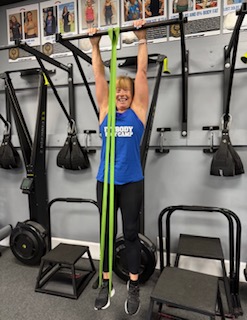
Muscle isn’t just about strength.
It helps you maintain the physical capacity to do the things you love—travel, play with your grandchildren, carry groceries, climb stairs, get up from the floor and remain independent.
Think of muscle as a reserve account for aging.
The more strength and muscle you build and maintain today, the more physical capacity you have to draw upon later.
4. Strong muscles support strong bones
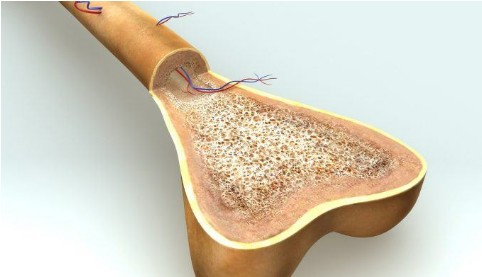
Bone health becomes increasingly important after menopause because declining estrogen levels are associated with increased bone loss.
Resistance training provides mechanical loading that can help support bone strength, while adequate protein, calcium, vitamin D and other nutrients provide important nutritional support.
You don’t need to become a bodybuilder.
You need to give your bones and muscles a reason to stay strong.
5. Muscle can change the way your body looks—even when the scale doesn't
One of the most frustrating experiences during menopause is watching the scale stay the same—or increase—despite exercising.
But body weight doesn’t tell the whole story.
Two women can weigh exactly the same while having very different amounts of muscle and body fat.
Building or maintaining muscle while reducing excess body fat can improve body composition, strength, posture and physical function—even if the scale changes very little.
That’s why I encourage women to stop making the scale their only measure of success.
- Measure strength.
- Measure energy.
- Measure waist circumference.
- Measure how your clothes fit.
- Measure what your body can DO.
Protein becomes increasingly important
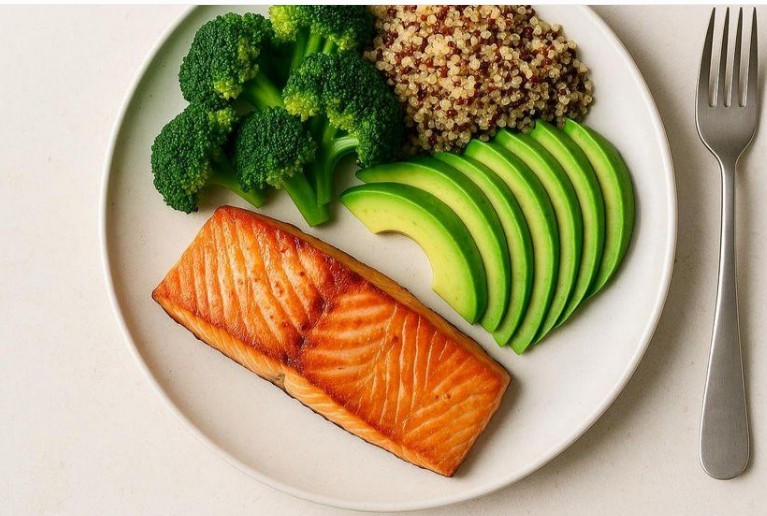
Exercise provides the stimulus for maintaining muscle, but your body also needs the raw materials to repair and build it.
That’s where protein comes in.
As we age, our muscles may become less responsive to smaller amounts of protein—a phenomenon sometimes referred to as anabolic resistance. This makes adequate protein intake particularly important for older adults.
Rather than eating most of your protein at dinner, consider distributing protein throughout the day.

Good sources include:
- Eggs
- Greek yogurt and cottage cheese
- Fish and seafood
- Chicken and turkey
- Lean meat
- Tofu, tempeh and edamame
- Beans and lentils
- High-quality protein supplements when appropriate
For many active women over 60, a reasonable starting range is approximately 0.45–0.55 grams of protein per pound of body weight per day, although individual needs vary.
Women with kidney disease or other medical conditions should discuss their protein needs with their healthcare professional rather than automatically increasing protein intake.
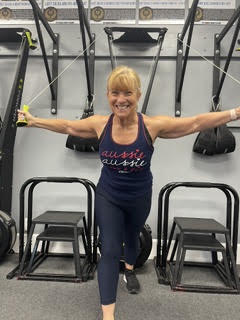
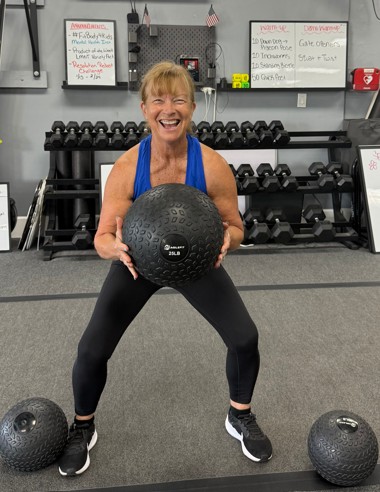
Cardio is important—but don’t forget resistance training
Walking, swimming, cycling and other cardiovascular activities are excellent for heart health, fitness and longevity.
But cardio alone isn’t enough to optimally preserve muscle.
Your muscles need resistance.
That could mean:
- Free weights
- Resistance bands
- Weight machines
- Body-weight exercises
- Pilates
- Functional strength exercises
- Working with a qualified trainer
The key is progressive challenge—gradually asking your muscles to do a little more as you become stronger.
For many women, two to three strength-training sessions per week can be an excellent foundation.
And don’t underestimate everyday movement. Walking, taking the stairs, carrying groceries and getting up and down from a chair all contribute to maintaining physical capacity.
Menopause is not the beginning of decline
This is perhaps the most important message I want women to hear.
Menopause is not a signal to slow down and accept muscle loss as inevitable.

It is a time to become more intentional about the things that protect your health.
- Strength training.
- Adequate protein.
- Quality sleep.
- Stress management.
- Regular movement.
- Nutrient-dense foods.
- Healthy hormone and metabolic support.
- Get a bone density scan
- Know your lab numbers
- Supplement wisely
You don’t need to turn back the clock.
You need to build the strongest version of yourself for the years ahead.
Your menopause muscle checklist
Start with these five simple priorities:
1. Strength train 2–3 times per week.
Challenge all major muscle groups.
2. Prioritize protein at every meal.
Spread your protein intake throughout the day.
3. Keep moving between workouts.
Daily walking and regular movement matter.
4. Support recovery.
Muscle grows and repairs when you allow your body adequate recovery, sleep and nutrition.
5. Track strength—not just weight.
Your ability to lift, carry, climb, balance and move is a powerful measure of healthy aging.
Your greatest investment may be the muscle you build today
We spend so much time thinking about losing weight during menopause.
But perhaps the better question is:
“How can I build and preserve the body that will carry me through the next 20, 30 or 40 years?”
Muscle is strength.
Muscle supports metabolism.
Muscle supports glucose regulation.
Muscle supports bones and physical independence.
And perhaps most importantly, muscle gives you the capacity to keep doing the things you love.
Menopause isn’t the end of your strongest years.
It can be the beginning of becoming stronger, more intentional and more resilient than ever.