

























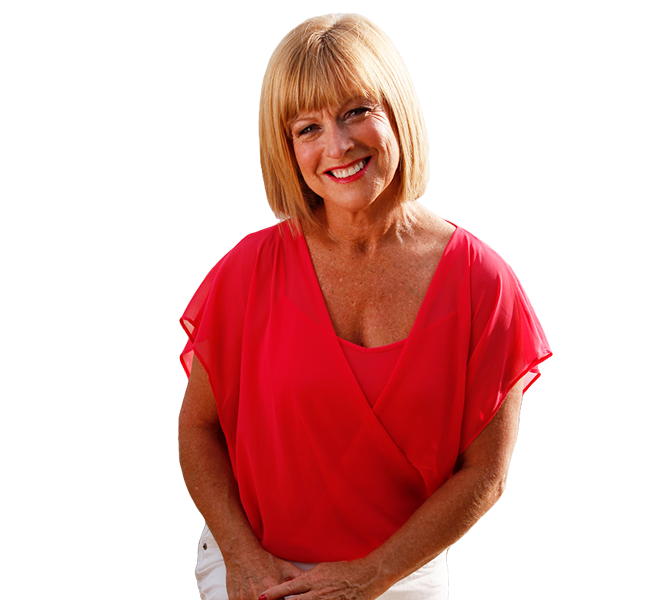

Being a grandparent gives me a powerful sense of purpose that keeps me mentally and emotionally energized.
When I spend time with my grandchild, I’m not just making memories — I’m also keeping my brain active, reducing stress, and supporting my long-term cognitive health.
I notice that having someone I love to show up for motivates me to stay healthier, more active, and more present. In many ways, being a grandparent isn’t just meaningful for my heart — it’s truly good for my brain too. 💛
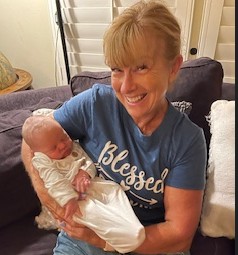
In a large study of more than 13,000 adults followed for up to 15 years, those with a stronger sense of purpose were 28% less likely to develop cognitive impairment or dementia.
Why? Because people with purpose are more likely to:
- Keep learning
- Stay socially engaged
- Remain mentally active
- Experience lower stress
- Have fewer depressive symptoms
- Build resilience in the brain over time
Grandparenting Naturally Creates Purpose ❤️
Many older adults aren’t motivated by abstract health goals — they’re motivated by people they love.
They want the energy to play, the strength to lift, and the flexibility to keep up with their grandchildren.
That meaningful role creates a powerful sense of purpose.
The “Helper’s High” Is Real ✨
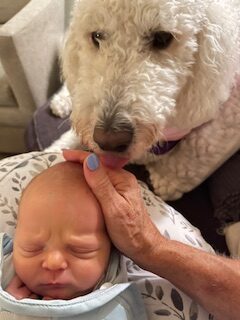
Helping care for “fur babies” and grandchildren isn’t just emotionally rewarding — it also affects brain chemistry.
Acts of caregiving can trigger the release of dopamine and serotonin, chemicals linked to mood, motivation, attention, and learning. Researchers often call this the “helper’s high.”
One study following older adults for four years found that those who regularly helped others:
- Scored higher on memory tests
- Had better thinking skills
- Showed stronger executive function
- Continued outperforming peers over time
These benefits likely come from a combination of:
- Mental stimulation
- Social connection
- Reduced stress
Greater meaning and purpose
Everyday Brain “Workouts” 🧩
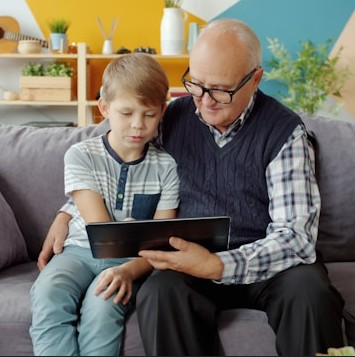
Spending time with grandchildren naturally challenges the brain:
- Reading stories
- Helping with homework
- Solving problems
- Answering questions
Planning activities
These everyday interactions activate memory, language, attention, and decision-making skills — all essential for brain health.
Even routines like meals, playtime, and outings provide structure and mental engagement that support brain flexibility.
The Right Amount Matters ⚖️
The benefits appear strongest when caregiving is meaningful but not overwhelming.
Research shows grandparents who:
- Help occasionally
- Babysit part-time
- Stay connected regularly
…often report higher life satisfaction and better well-being.
However, full-time caregiving or raising grandchildren can sometimes increase stress and reduce these benefits. Chronic stress may elevate cortisol, which can negatively affect brain health.
The Takeaway
When caregiving is balanced and joyful, grandparenting can:
- Provide purpose
- Boost mood
- Keep the brain active
- Strengthen cognitive resilience
- Support long-term brain health
Sometimes, one of the best things you can do for your brain… is simply spend time with the people you love. 💛
Resilience As a Life Skill
Having a meaningful role as a grandparent helps me build resilience by keeping me
- mentally engaged,
- emotionally connected
- motivated to stay healthy
so I can continue showing up with energy and purpose.
Resilience is about meeting the inevitable stresses of everyday like head on and transforming stress into growth. I see it every day. We are resilient. We are able to bounce back and learn. There are some specific resilience strategies that you can start to build now that will help when stress appears!
CLICK HERE for my free EBOOK on Mental Well-Being and Resilience: A Self-Care Guide
This eBook is filled with Self-Care strategies to support your mental and physical health and help you build resilience.
OTHER GREAT BLOGS ON THIS TOPICS
20 Ways to Practice Self-Care in Under 20 Minutes
Top 10 Easy Ways to Calm Stress
Please Note : This is for educational purposes only and does not constitute medical advice or recommendation of any kind, and you should not rely on any information contained in such posts to replace consultations with your qualified health care professionals to meet your individual needs.