


You may have heard someone say they have an “MTHFR mutation” and wondered what that means. The good news is that MTHFR sounds more alarming than it usually is. For many people, it simply means they have a common genetic variation that may affect how their body uses certain B vitamins.
What Is MTHFR?
MTHFR stands for methylenetetrahydrofolate reductase. That’s the name of an enzyme in the body that helps process folate (vitamin B9). Folate is important for many jobs in the body, including:
- Making DNA
- Repairing cells
- Supporting brain health
- Helping detoxification pathways
- Making healthy red blood cells
- Managing homocysteine levels
Think of MTHFR as a helper that turns folate into the active form your body can use.
What Does an MTHFR Variant Mean?
Some people inherit changes, or variants, in the MTHFR gene. These variants may slow down how efficiently the enzyme works. The two most common types are called C677T and A1298C.
Having one or even two variants is common and does not automatically mean you will have health problems. It simply means your body may need more support in certain areas.
Possible Health Effects of MTHFR Variants

When MTHFR function is reduced, some people may have trouble converting folic acid or folate efficiently. This can sometimes contribute to:
- Higher Homocysteine Levels
Homocysteine is an amino acid in the blood. If levels become elevated, it may increase risk for heart disease, stroke, and cognitive decline.
- Low Energy and Fatigue
Poor methylation and low B-vitamin activity may affect energy production.
- Mood and Brain Health Challenges
Some people report issues with anxiety, depression, focus, or brain fog.
- Hormone and Detoxification Support
Methylation is involved in processing hormones and toxins, so sluggish pathways may affect balance.
- Pregnancy Concerns
Folate is especially important before and during pregnancy for healthy fetal development.
What Can You Do If You Have an MTHFR Variant?
The goal is not fear—it is support. Many people do very well with simple lifestyle steps.
Focus on Folate-Rich Foods

Eat natural folate foods such as:
- Leafy greens
- Asparagus
- Avocado
- Lentils
- Beans
- Broccoli
Check Homocysteine
A homocysteine blood test can give valuable clues about methylation and cardiovascular risk.
An optimally functioning homocysteine pathway supplies key methyl and sulfur groups needed for overall health and critical biochemical processes, such as
- detoxification
- immune support
- cognitive
- reproductive function
- cardiovascular health.
This pathway requires the vitamins B2, B6, folate, and B12. TMG (Trimethylglycine) works alongside the B vitamins to support healthy methylation
Read my blog “Why Testing Homocysteine Matters: A Missing Clue in Your Health Puzzle” HERE
Consider Active B Vitamins
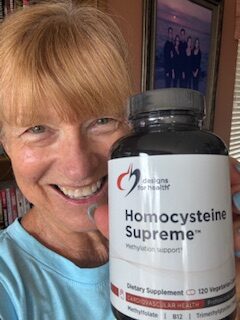
Some people (like me) do better with methylated forms of nutrients such as:
- Methylfolate
- Methylcobalamin (B12)
- P5P (active B6)
- TMG
Bioactive forms of vitamin B2, vitamin B6, folate (as 5-MTHF), and vitamin B12 to support proper homocysteine metabolism.
- Supports healthy homocysteine metabolism
- Supports normal methylation status
- Supports cardiovascular health
- Supports brain and cognitive health
Recommended Use: Take 2 capsules per day with meals
Get it HERE
Support Overall Health
- Manage stress
- Exercise regularly
- Sleep well
- Limit alcohol
- Reduce processed foods
Important Reminder
Having an MTHFR variant is not a diagnosis and does not guarantee illness. Genes may load the gun, but lifestyle often pulls the trigger. Nutrition, stress, sleep, and environment all play a major role in how genes are expressed.
Final Thought
MTHFR is common, manageable, and often over-feared online. If you know you have this gene variant, the best next step is to work with a knowledgeable practitioner who can look at your full health picture, symptoms, labs, and nutrition needs.
Small changes can make a big difference when the body gets the support it needs.
OTHER BLOGS ON THIS TOPIC
MEDICAL DISCLAIMER :
The information on this site does not create a doctor-patient relationship and is not intended or implied to be a substitute for professional medical advice, diagnosis or treatment. All content, including text, graphics, images and information, contained on or available through this web site is for general information purposes only.