






























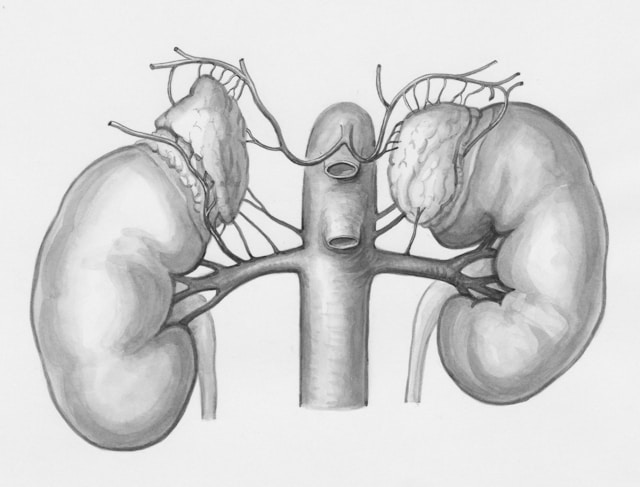
Your kidneys work around the clock to keep you healthy—yet many people never think about them until there’s a problem. These two bean-shaped organs filter waste, balance fluids, regulate blood pressure, support red blood cell production, and help maintain healthy bones.
The good news? Kidney issues often show warning signs in blood work and urine testing long before symptoms appear. That makes routine testing one of the smartest ways to protect your long-term health.
Why Kidney Testing Is So Important
Kidney disease can develop quietly over time. Many people feel perfectly fine in the early stages, while damage is slowly progressing.
Testing kidney function can help detect:
- Early kidney stress or decline
- Dehydration
- High blood pressure impact
- Diabetes-related kidney damage
- Medication side effects
- Chronic inflammation
- Electrolyte imbalances
- Protein loss in the urine
The earlier you identify changes, the more you can often do to slow or reverse progression.

Key Tests for Kidney Function
Creatinine (Blood Test)
Creatinine is a waste product created from normal muscle metabolism. Healthy kidneys filter it out of the blood.
What It May Mean:
- High creatinine: Reduced kidney filtration, dehydration, muscle breakdown, some medications
- Low creatinine: Often low muscle mass, less commonly a concern
Creatinine alone doesn’t tell the full story, but it helps calculate eGFR.
eGFR (Estimated Glomerular Filtration Rate)
This is one of the most important kidney markers. It estimates how well your kidneys are filtering waste.
General Ranges:
- 90 or above: Normal (if no other signs of damage)
- 60–89: Mild reduction, may still be okay depending on age/history
- 30–59: Moderate decline
- 15–29: Severe decline
- Below 15: Kidney failure range
A single low result doesn’t always mean disease—it should be interpreted over time.
BUN (Blood Urea Nitrogen)
BUN measures another waste product filtered by the kidneys.
High BUN May Suggest:
- Dehydration
- High protein intake
- Kidney stress
- GI bleeding
- Certain medications
Low BUN May Suggest:
- Low protein intake
- Liver concerns
- Overhydration
Urinalysis
A simple urine test can reveal a lot.
It may detect:
- Protein
- Blood
- Glucose
- Infection
- Crystals
- Concentration status
Protein or blood in the urine should always be followed up.
Urine Albumin-to-Creatinine Ratio (ACR)
This is a powerful early marker, especially for people with diabetes or high blood pressure.
Small amounts of albumin leaking into urine can indicate early kidney damage before creatinine rises.
Cystatin C (Advanced Marker)
This blood test can give another estimate of kidney function and may be more accurate in some people, especially those with low or high muscle mass.
Electrolytes & Minerals
Kidneys help regulate:
- Sodium
- Potassium
- Calcium
- Phosphorus
- Bicarbonate
Abnormal levels may signal kidney dysfunction.
What Symptoms Can Signal Kidney Stress?
Kidney problems may be silent, but symptoms can include:
- Fatigue
- Swelling in ankles or hands
- Puffiness around eyes
- Frequent urination or changes in urination
- Foamy urine
- High blood pressure
- Nausea
- Poor appetite
- Itching
- Brain fog
How to Support Kidney Health Naturally

1. Hydrate Wisely
Adequate hydration helps kidneys filter waste efficiently. Aim for consistent water intake unless your doctor has advised fluid restriction.
2. Control Blood Sugar
High blood sugar is one of the leading causes of kidney damage. Prioritize stable glucose levels through nutrition, exercise, and weight management.
3. Support Healthy Blood Pressure
High blood pressure can damage tiny kidney blood vessels over time.
Focus on:
- Regular movement
- Stress management
- Lower sodium if needed
- Potassium-rich foods (if appropriate)
- Weight management
4. Reduce Ultra-Processed Foods
Highly processed foods can increase sodium, additives, sugar, and inflammation burden.
Choose more:
- Vegetables
- Berries
- Healthy fats
- Lean proteins
- Beans and legumes (if tolerated)
- Whole foods
5. Use Pain Relievers Carefully
Frequent use of NSAIDs like ibuprofen may stress kidneys, especially with dehydration.
6. Maintain a Healthy Weight
Excess weight raises risk for diabetes, high blood pressure, and kidney strain.
7. Review Supplements and Medications
Some herbs, supplements, or medications may not be kidney-friendly in certain people. Always personalize your plan.
8. Don’t Ignore Recurrent UTIs
Frequent infections can affect kidney health if untreated.
Functional Perspective: Look Beyond “Normal”
Many people are told labs are “fine” even when values are trending in the wrong direction. Watching trends over time matters.
Examples:
- Rising creatinine year to year
- Declining eGFR over time
- Mild protein in urine
- Borderline high blood pressure
- Elevated blood sugar
These early clues create an opportunity to intervene sooner.
Who Should Test Regularly?

Kidney testing is especially important if you have:
- High blood pressure
- Diabetes or prediabetes
- Family history of kidney disease
- Autoimmune disease
- Recurrent kidney stones
- Frequent NSAID use
- Over age 50
- Swelling or fatigue
- Cardiovascular disease
My Perspective
Your kidneys are silent workers that deserve more attention.
I have discovered this personally.
In a previous blog I discussed how I had been watching my basic lab tests for kidney function like BUN (Blood Urea Nitrogen) and Serum Creatinine and they have been slipping over the years.
I thought it was just dehydration.
I found out that a vital indicator of kidney stress can fly under the radar.
In the blog, I share the kidney function test I never knew about—what it revealed, and why it might be the missing piece in your own health puzzle. You can read it HERE
Final Thought
Simple blood and urine tests can provide valuable insight long before symptoms develop.
Don’t wait for kidney symptoms to start caring for your kidneys. They influence energy, blood pressure, detoxification, mineral balance, and healthy aging.
Ask for the right tests, understand your numbers, and take small daily actions that protect these vital organs for years to come.
BOOK A FREE DISCOVERY CALL

BOOK A FREE DISCOVERY CALL
If you’re ready to take a proactive approach to your health and understand what your lab results may be telling you, a Discovery Call with me can be the perfect next step.
Together, we will discuss your current concerns, health goals, and practical strategies to support kidney health, energy, metabolism, and overall wellness.
Sometimes the right guidance can help turn confusion into clarity and create a personalized path forward.
Book your Discovery Call HERE today and start taking control of your health with confidence.