

Understanding the Link Between Lifestyle and Breast Tissue
Many lifestyle choices affect hormone levels, particularly estrogen, which can influence breast cancer risk.
For example, fat tissue produces estrogen, so maintaining a healthy weight helps regulate hormone levels. Similarly, alcohol consumption can increase estrogen levels and damage DNA.
Conversely, physical activity can help lower estrogen levels and boost the immune system. A diet rich in fiber can help the body excrete excess estrogen. It’s a complex, interconnected system where your choices directly signal your body towards health or disease.
Research shows that lifestyle changes can lower the chances of getting breast cancer, even in people at high risk. To lower your risk:
1. Limit or stay away from alcohol.

It’s safest not to drink alcohol.
But if you do drink it, enjoy it in moderation. The more alcohol you have, the greater your risk of getting breast cancer.
In general, women should have no more than one drink a day. Even small amounts raise the risk of breast cancer.
One drink is about 12 ounces of beer, 5 ounces of wine, or 1.5 ounces of 80-proof distilled spirits.
2. Stay at a healthy weight.

Ask a member of your health care team whether your weight is healthy.
If it is, work to maintain that weight.
If you need to lose weight, reach out to me for support!
Simple steps may help.
3. Get active.

Physical activity can help you stay at a healthy weight, which helps prevent breast cancer.
So try to move more and sit less.
Most healthy adults should aim for at least 150 minutes a week of moderate aerobic exercise.
Or try to get at least 75 minutes of vigorous aerobic exercise a week.
Aerobic exercise gets your heart pumping. Some examples are walking, biking, running and swimming. Also aim to do strength training at least twice a week.
4. Breastfeed.

If you have a baby, breastfeeding might play a role in helping prevent breast cancer.
The longer you breastfeed, the greater the protective effect.
5. If you smoke, quit.

Some research suggests that smoking tobacco raises the risk of breast cancer.
Breathing in another person’s cigarette smoke also may raise the risk.
If you or a loved one needs help quitting, talk with a member of your health care team.
6. Power Up With Plant Foods

What role does a healthy diet play?
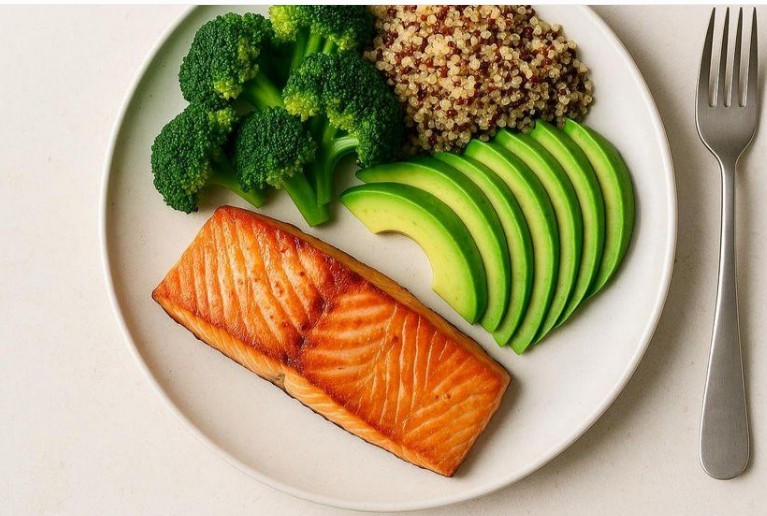
Some research suggests that people who eat a Mediterranean diet might have a lower risk of breast cancer, especially after menopause.
The Mediterranean diet focuses mostly on plant foods.
It includes fruits and vegetables, whole grains, legumes and nuts.
People who follow the Mediterranean diet choose healthy fats such as extra-virgin olive oil over butter. And they eat fish instead of red meat.
A balanced diet can help you stay at a healthy weight. And healthy weight is a key factor in helping prevent breast cancer.
7. Regular Breast Self Exams

8. Manage Chronic Stress

The mind-body connection is profound.
Chronic stress can undermine even the best diet and exercise plan.
When you’re constantly stressed, your body produces high levels of the hormone cortisol. Chronically elevated cortisol can lead to inflammation, weight gain, and a weakened immune system—all factors that can create an environment conducive to disease progression.
9. Prioritize Sleep for Cellular Repair:

During deep sleep, your body repairs cells and regulates key hormones, including melatonin, which has its own antioxidant properties.
Aim for 7-9 hours of quality sleep per night.
Establishing a regular sleep schedule and creating a restful environment are key best lifestyle practices.
10. Regular Scheduled Mammograms:

Follow the guidelines recommended by your doctor based on your personal and family history.
For women of average risk, many organizations recommend starting annual mammograms at age 40 or 45.
These screenings can detect cancers early, when they are most treatable
Conclusion
Caring for your breast health is a lifelong journey of conscious, positive choices.
It’s not about perfection but about consistent progress in building a lifestyle that serves your body’s needs.
By embracing a diet rich in plant-based foods, staying physically active, managing stress, maintaining a healthy weight, and avoiding harmful substances, you actively participate in your own well-being.
These best lifestyle practices are your most powerful allies.
Remember, these steps work synergistically with professional medical care.
Stay vigilant with self-exams and recommended screenings, as early detection saves lives.
Start by integrating one or two of these tips into your routine this week, and build from there.
Your future self will thank you for the investment you make in your health today.