
Why Testing Homocysteine Matters: A Missing Clue in Your Health Puzzle

When most people get routine lab work, they look at cholesterol, blood sugar, or vitamin D. But one important marker is often overlooked: homocysteine. Homocysteine is an amino acid produced in the body during the breakdown of protein. Normally, your body recycles it using key B vitamins like folate, B6, and B12. But when this […]
Having Purpose Is Good for Your Brain

Being a grandparent gives me a powerful sense of purpose that keeps me mentally and emotionally energized. When I spend time with my grandchild, I’m not just making memories — I’m also keeping my brain active, reducing stress, and supporting my long-term cognitive health. I notice that having someone I love to show up for […]
The 9 Essential Tests to Protect Your Health in Midlife
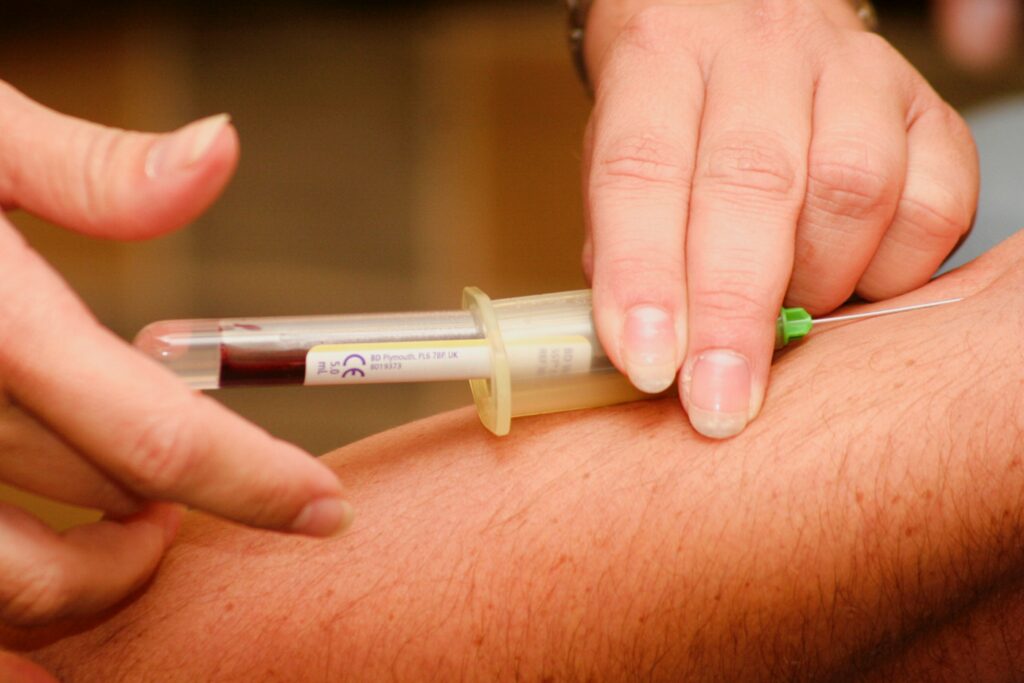
You show up for your annual exam, answer a few quick questions, get a brief check-up—and before you know it, you’re sent off for “routine blood work.” A few days later, you hear the familiar phrase: “Everything looks normal.” But here’s the truth: “Normal” doesn’t always mean optimal—especially during perimenopause and menopause. This stage of […]
The Science Behind the New Dietary Guidelines

The new Dietary Guidelines for Americans mark the most significant change to the guidance since 1980. They encourage people to eat more animal proteins and fats, and avoid highly processed foods, while putting a clear focus on eating real, whole foods. The U.S. Department of Health and Human Services and the U.S. Department of Agriculture […]
Why ‘Normal’ Lab Tests Might NOT be Optimal
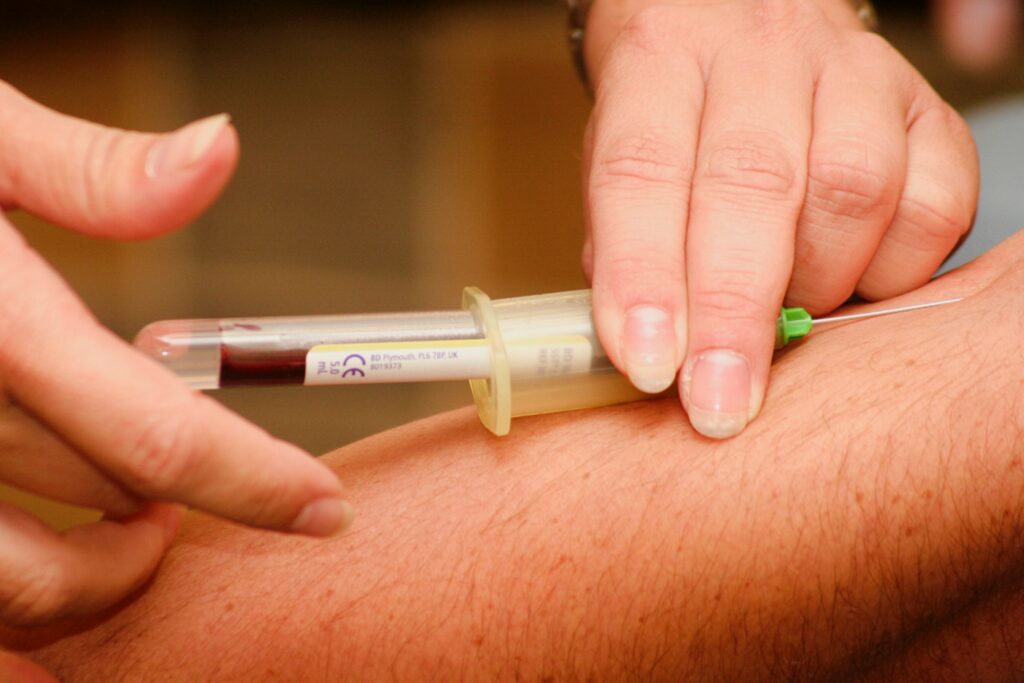
Lab ranges are built from statistics, not from how a healthy body actually feels. Ranges are created by taking a thousand ambulatory Americans, tossing out the extremes, and calling the rest “normal.” A result can be normal yet nowhere near optimal. Normal shows how you compare with everyone else; optimal reflects what’s right for your […]